Boot Scoot Spooky Png, Cowboy Ghost Png Review
As an embroidery designer who spends more time digitizing than drinking coffee, I have seen a thousand Halloween designs. Most of them are either too cute to be scary or too complex for a standard home machine. When Boot Scoot Spooky Png, Cowboy Ghost Png landed on my desk, I wasn’t looking for another generic ghost; I was looking for something with character that could hold up in a real-world commercial setting. This Western-themed graphic offers a distinct flavor that bridges the gap between rustic charm and spooky season fun. Here is my honest breakdown of how this design performs when it moves from screen to fabric.
First Impressions: Mood and Visual Personality
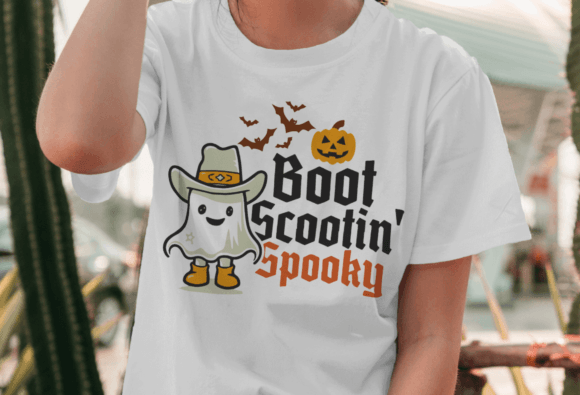
The immediate appeal of this design lies in its thematic cohesion. It isn’t just a ghost; it is a cowboy ghost. The silhouette suggests movement—perhaps a little "boot scoot"—which gives the static image a sense of life. For designers, this kinetic energy is crucial. A still image can feel flat on a garment, but a pose implies action. The retro Halloween aesthetic softens the edges of traditional horror tropes, making it approachable for a wider audience. It feels nostalgic, tapping into that vintage Americana vibe that has been dominating craft fairs and boutique shops for years. Visually, the layout is clean, which is exactly what you want before you start breaking down stitch types.
Real-World Application: Where Does It Shine?
I put this design through its paces by visualizing it across several common custom apparel categories. The versatility here is impressive. For a small business owner, the tote bag design potential is obvious. A canvas tote embroidered with this motif screams "fall market ready." The bold lines translate well to the sturdy texture of canvas, and the Western theme pairs perfectly with denim or earth-toned fabrics.
However, the standout use case for me is sweatshirt embroidery. There is something inherently cozy about a ghostly figure on a heavyweight hoodie. It fits the seasonal mood perfectly. Whether you are creating a personalized gift for a sibling or stocking shelves at a craft fair, this design works as a standalone statement piece. It also translates beautifully to apron embroidery for the culinary enthusiast who loves a bit of humor in their kitchen. Imagine this stitched onto a black apron with contrasting white thread—it pops without being overwhelming.
For those selling on Etsy or running a craft business, this design is a strong candidate for embroidered patches. The defined edges make it easy to digitize with a satin border, allowing customers to iron-on or sew-on these accents to hats or jackets. It adds value to a basic product, turning a plain cap into a unique fashion item.
Technical Performance and Stitch Clarity
When evaluating any machine embroidery design, I look at how the shapes will convert into stitches. The Boot Scoot Spooky Png, Cowboy Ghost Png relies heavily on clear silhouettes. In a real project, this means you can rely on dense fill stitches for the body of the ghost and perhaps a satin stitch for the outline to give it definition. The lack of overly intricate internal details is actually a strength here. It reduces the risk of thread breaks and ensures that the design remains legible even after multiple wash cycles.
Thread color selection is where the magic happens. Because the source file is a PNG/SVG intended for sublimation or cutting, the color palette is digital. In embroidery, you must choose threads that offer high contrast. On dark fabric, a light cream or pale gray ghost with bright orange or red accents (for a bandana or hat) creates excellent visual hierarchy. Conversely, on light fabric, a charcoal or navy ghost provides a sophisticated, modern look rather than a childish one. The key is to treat the design assets with intention, not just defaulting to white thread.
Where to Use It Carefully
No design is perfect for every surface. While this Western ghost is robust, there are limitations. Avoid placing this on highly textured fabrics like bouclé or thick wools unless you are using a heavy-duty stabilizer; the needle may struggle to penetrate cleanly, leading to puckering. Similarly, thin fabrics like silk or lightweight rayon require careful hooping and likely a tear-away stabilizer to prevent distortion.
Be cautious with small hoop sizes. If you attempt to reduce this design significantly, the subtle details of the cowboy hat or boots may disappear into a muddy blob of stitches. Always check the minimum recommended size. Furthermore, curved surfaces like baseball caps require precise digitization to account for the curve; if the design is too wide, it will distort at the edges. For baby embroidery, ensure the thread count is appropriate for sensitive skin, avoiding excessive density that might create a stiff, uncomfortable patch.
Impact on Product Value and Brand Consistency
In the world of handmade products, presentation is everything. A well-executed finished product builds customer trust. Using a cohesive theme like this helps establish a brand identity. If your shop focuses on rustic, western, or holiday themes, having a reliable asset like this allows you to maintain consistency across your digital product previews and physical inventory. Customers recognize patterns. When they see your signature style repeated across different items—kitchen towels, nursery decor, and holiday gifts—they are more likely to return.
This design also enhances the perceived value of your merchandise. A simple print looks cheap; an embroidered version looks crafted and premium. The tactile nature of embroidery adds weight and substance to items like pillow covers or blankets, justifying a higher price point. For the Etsy seller, this means better conversion rates because buyers perceive the item as a unique, artisanal creation rather than mass-produced goods.
Practical Designer Notes Before You Stitch
Before committing to a full production run, follow these steps to ensure success:
- Test on Scrap Fabric: Never go straight to the final product. Stitch the design on a scrap of the same fabric type to check for tension issues and color accuracy.
- Check Stitch Density: Ensure the digitization (if you are doing it yourself) balances coverage with flexibility. Too much density makes the fabric stiff; too little makes the design look sparse.
- Review in Black and White: Convert the design to grayscale to check contrast. If the elements blend together in black and white, they will likely get lost in color on fabric.
- Confirm Licensing: As a reviewer, I must emphasize this: verify the commercial usage rights. Even if you buy the file, check if you are allowed to sell finished items made from it. Some licenses restrict the number of units or prohibit certain uses.
- Use Proper Stabilizer: Match your stabilizer to your fabric weight. Heavy stabilizers for light fabrics, and lighter stabilizers for heavy fabrics to prevent bulkiness.
Ultimately, Boot Scoot Spooky Png, Cowboy Ghost Png is a solid addition to any designer’s library for the autumn season. It captures a specific mood that resonates with buyers looking for something unique yet familiar. By paying attention to fabric choice, thread contrast, and proper stabilization, you can turn this digital graphic into a tangible, profitable, and beautiful embroidery project.