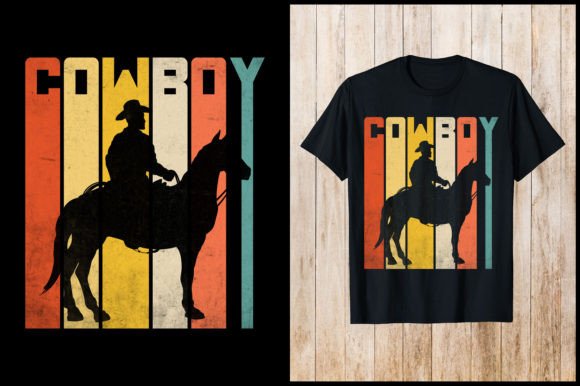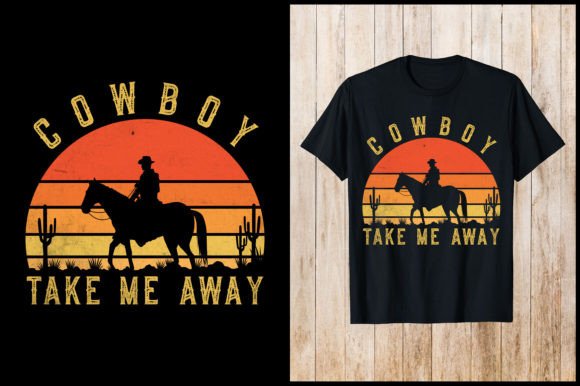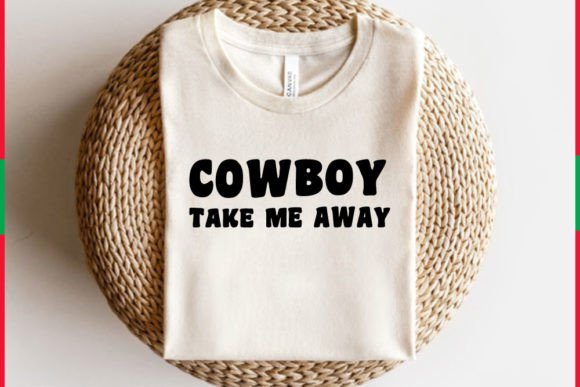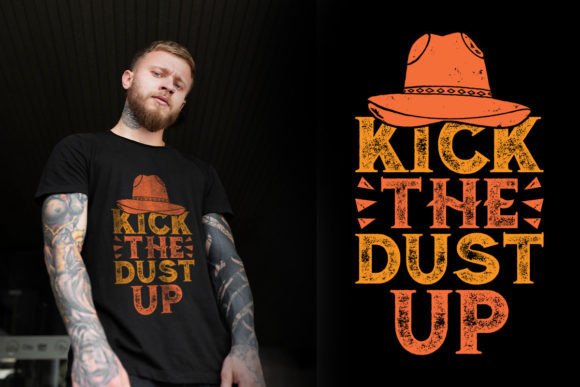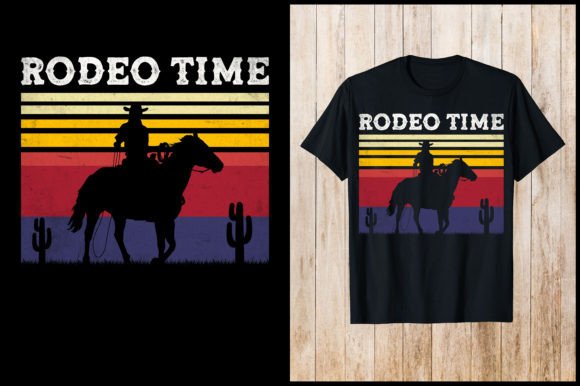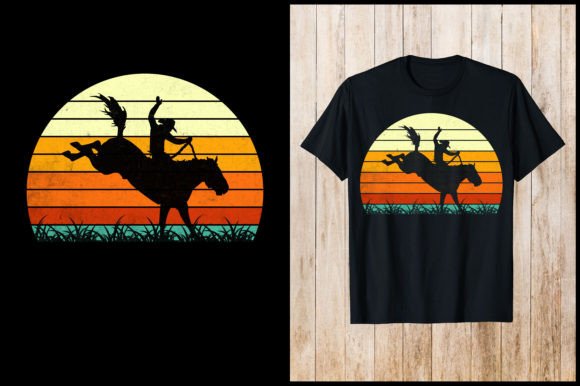
Cowboy Vintage Retro T-Shirt Design Review
As a designer who spends half my life staring at stitch charts and the other half arguing with embroidery machines about tension settings, I don’t just buy designs; I vet them. When Cowboy Vintage Retro T-Shirt Design landed on my desk, my first instinct wasn’t to load it into the hoop immediately. It was to look at the file structure and ask: does this actually translate to thread? The product description promises AI, EPS, and PNG files with a massive 4500 x 5400px artboard, which tells me this is built for high-resolution print-on-demand or large-format graphics. But for us in the world of machine embroidery, resolution means nothing if the vector paths don't clean up well for stitching.
I decided to put Cowboy Vintage Retro T-Shirt Design through its paces. My goal was to determine if this graphic has the legs to be a bestseller for an Etsy seller or if it’s just another trendy clipart that looks flat once stitched. Here is my practical breakdown of how this design performs in real-world applications, from boutique apparel to personalized gifts.
First Impressions: Mood and Visual Personality
The moment you open the file, the retro aesthetic hits hard. We are talking classic Americana vibes—think weathered textures, bold outlines, and a nostalgic color palette that screams "vintage western." For a T-Shirt Designs category item, this is a strong contender because it taps into a timeless theme. However, as an embroidery designer, I am always wary of "busy" vintage styles. If the detail level is too high, your satin stitches will bunch up, and your fill stitches will lose their texture.
In the case of Cowboy Vintage Retro T-Shirt Design, the layout feels balanced. It doesn’t feel cluttered. The visual personality is rugged yet approachable, which makes it incredibly versatile. It isn’t limited to just one type of customer. It appeals to the trucker hat crowd, the festival-goer, and the person looking for a unique, handmade gift for a father or grandfather. The mood is confident, which is exactly what you want when you are trying to justify a higher price point for a handmade product.
Real-World Application: Where This Design Shines
Let’s talk about where this design actually lives. I ran a mental simulation of several common projects to see how Cowboy Vintage Retro T-Shirt Design would hold up.
- Custom Apparel & Sweatshirts: This is the most obvious use case. On a heavyweight cotton sweatshirt, the retro theme pops. The contrast between the soft fabric and the structured embroidery gives it a premium feel. It works beautifully as a left-chest logo or a full-back statement piece.
- Tote Bag Design: Canvas totes are a staple for any Etsy seller. Using this design on a natural canvas tote creates an instant "boho-western" vibe. Because the artboard is large, you can scale it down without losing critical details, making it perfect for smaller bags.
- Baby Embroidery & Nursery Decor: Surprisingly, this works well here too. A cowboy-themed baby onesie or a pillow cover for a nursery with a rustic theme adds character. Just be mindful of the stitch density; you don’t want a heavy patch on a delicate baby garment.
- Holiday Embroidery & Gifts: This design is a goldmine for Q4. Whether it’s a Christmas stocking for the dad who loves the outdoors or a wedding gift for a couple having a barn wedding, the versatility is high. It fits the "personalized gift" market perfectly because it allows for customization of names or dates around the central graphic.
- Embroidered Patch: If you plan to sell patches as accessories for denim jackets or backpacks, this design translates well. The strong outline ensures the edges stay crisp even after multiple washes.
For commercial embroidery projects, such as branding for a local ranch or a western-themed cafe, this design provides a professional yet fun aesthetic. It helps build brand consistency because it feels established, not fleeting.
Technical Considerations and Fabric Compatibility
Not every surface is created equal, and Cowboy Vintage Retro T-Shirt Design requires some strategic thinking depending on what you are stitching onto.
Where to Use Carefully
While this design is robust, there are specific scenarios where you need to exercise caution:
- Small Hoop Sizes: If you try to cram this into a tiny 4x4 hoop, you might lose the subtleties of the retro texture. Ensure your hoop size accommodates the full width of the design to maintain proportion.
- Textured Fabrics: Stitching this onto boucle, thick wool, or heavily textured knits can hide the details. The stitch density needs a relatively smooth surface to show off the satin stitch work clearly.
- Stretchy Fabric: If you are embroidering on thin, stretchy t-shirts, you must use a high-quality cut-away stabilizer. Without it, the fabric will pucker, and the circular or curved elements of the design will distort.
- Detailed Corners: Check the fine lines in the vector file. If there are tiny decorative accents or tiny lettering, test these first. On dark fabric, small white threads can sometimes get lost if the thread colors aren’t chosen carefully.
- Curved Surfaces: While caps are popular, applying a large, rigid-looking design to a curved brim or crown can be tricky. You may need to digitize adjustments specifically for curved surfaces to ensure the design lays flat.
Thread and Color Strategy
The success of a machine embroidery design often comes down to thread choice. For a retro cowboy theme, I recommend using polyester threads with a slight sheen to mimic the vintage look. Avoid overly bright, neon colors unless you are going for a modern pop-art twist. Stick to muted earth tones, deep reds, navy blues, and creams to enhance the nostalgic mood.
Before committing to a full run of small shop products, I strongly advise testing the design in black and white mockups. This helps you see if the contrast levels are sufficient. If the design relies on subtle shading, it might flatten out when converted to thread. Also, inspect the fill stitch areas. Are they dense enough to cover the base fabric completely? If not, you’ll see the fabric showing through, which can look cheap rather than custom.
Final Verdict: Is It Worth Adding to Your Library?
After evaluating Cowboy Vintage Retro T-Shirt Design from both a creative and technical standpoint, I find it to be a solid addition for any serious craft business or digital product seller. It is not just a pretty picture; it is a functional asset that bridges the gap between graphic design and textile art.
The fact that you receive AI, EPS, and PNG files means you have flexibility. You can use the vector files for precise digitizing checks or create printable mockups for your online store before you even touch the needle. The large artboard size ensures you won’t run out of room if you decide to add text or adjust the layout later.
However, remember that a good design file is only half the battle. Your success will depend on your execution. Always test on scrap fabric first. Check your tension. Choose the right stabilizer. And most importantly, understand your licensing terms. Even though this is a Graphics product, confirm whether you have commercial rights to sell finished items made from it. If you do, this design has the potential to become a staple in your catalog, appealing to customers who value quality, nostalgia, and handmade authenticity.
For the embroidery project that demands character and charm, Cowboy Vintage Retro T-Shirt Design delivers. It’s rugged, it’s retro, and with the right technique, it’s going to look incredible on the wall of your next craft fair booth.