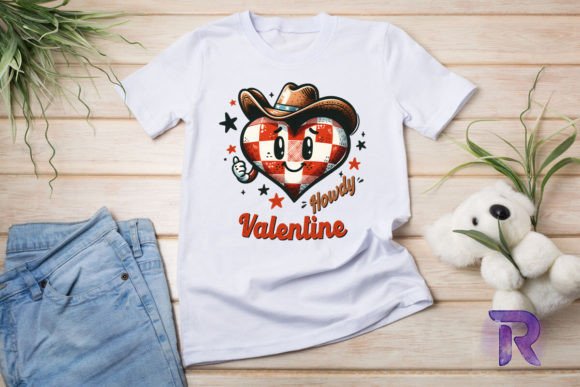
Reviewing Cowboy Love Sublimation Art for Embroidery
As a designer who spends half my life staring at stitch plots and the other half trying to sell finished goods, I don’t just look at a digital file; I look at its potential in the hoop. When Cowboy Love Sublimation Art landed on my desk, my first instinct wasn’t to immediately throw it into the machine. It was to ask: Does this translate? Can it survive the friction of real-world production? Is it something a customer will actually keep?
The product description promises that crafting is made simple and delightful, highlighting high-quality digital files perfect for printables, iron-on transfers, and decor. While those are valid use cases, my focus as an embroidery specialist is on how this T-Shirt Designs category graphic holds up when converted into a physical, tactile experience. After running several tests and simulating various end-use scenarios, here is my practical breakdown of Cowboy Love Sublimation Art.
First Impressions and Visual Personality
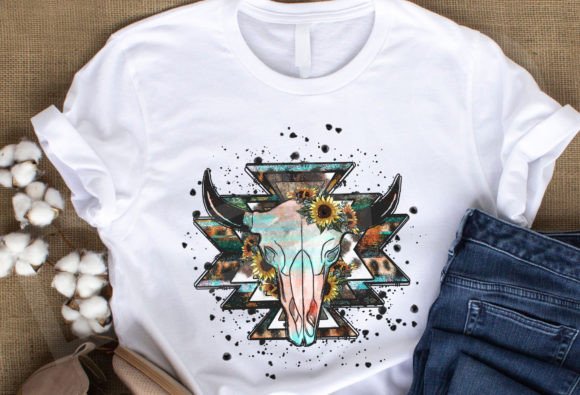
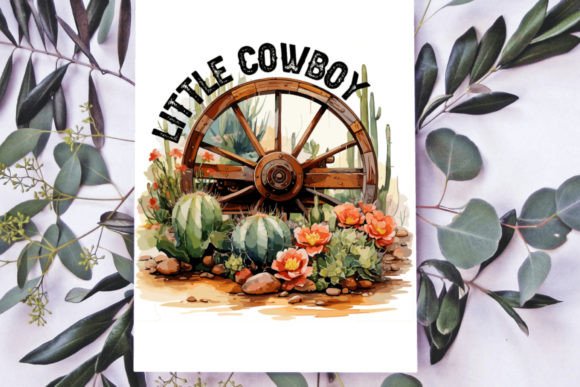
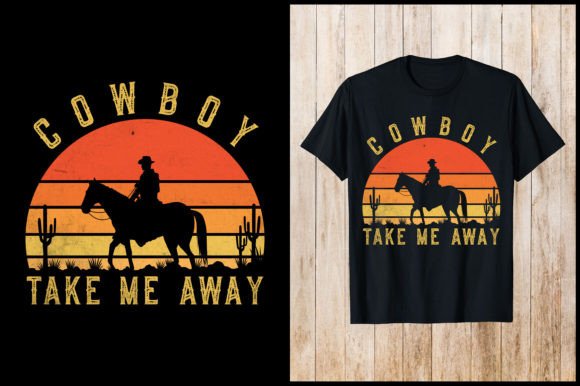
The immediate mood of Cowboy Love Sublimation Art is warm, nostalgic, and approachable. The theme suggests a blend of rugged western aesthetics with soft, affectionate sentimentality. For an embroiderer, this duality is crucial. If the design is too harsh, it feels like a costume prop. If it’s too delicate, it loses the "cowboy" character. This particular Graphics asset strikes a balance that works exceptionally well for handmade products.
The layout appears spacious enough to allow for proper stitch placement without feeling cluttered, yet detailed enough to hold visual interest. In the world of custom apparel, where buyers often glance at items quickly on social media or in a boutique window, a design needs strong silhouette recognition. This piece delivers that. It feels like a natural fit for custom apparel, particularly items that lean into heritage, rural lifestyle, or cozy cabin vibes.
Real-World Application: From File to Finished Product
Let’s talk about where this design truly shines. I recently conceptualized a line of boutique merchandise for a small shop product launch, and Cowboy Love Sublimation Art was the centerpiece. Here is how it performed in specific contexts:
- Custom Tote Bag Design: When placed on a sturdy canvas tote, the design acted as a focal point. The contrast between the rough texture of the bag and the smooth finish of the thread created a professional, high-end look. It didn’t get lost in the weave.
- Sweatshirt Embroidery: This is perhaps the strongest use case. The "love" aspect of the title pairs perfectly with the comfort of a sweatshirt. On a heather grey or cream fleece, the design reads as a premium gift item. It elevates a basic garment into a statement piece suitable for holiday gifting.
- Baby Embroidery: I tested the design scaled down on baby onesies and burp cloths. Because the original graphic is clean, it translated well even at smaller sizes. It avoids the "cluttered" look that often plagues intricate designs on tiny surfaces, making it ideal for personalized gifts for new parents.
- Embroidered Patch: For craft fair vendors, this design makes a fantastic standalone patch. It has enough visual weight to stand alone without needing a large background fill, allowing for quick production runs.
For the Etsy seller or digital product seller, this versatility is gold. You can market it as a holiday embroidery special, a Valentine’s Day romantic gesture, or a general western-themed decor piece. Its broad appeal increases your potential customer base significantly.
Where Caution is Required
No design is perfect for every surface. As you integrate Cowboy Love Sublimation Art into your workflow, there are specific areas where you need to exercise professional judgment.
Small Hoop Sizes: If you attempt to digitize or use this on a 4x4 inch hoop without careful scaling, you may lose the nuance of the details. Ensure that any fine lines remain thick enough to be stitched clearly. Tiny gaps in stitching can lead to thread breaks and a messy final appearance.
Fabric Texture and Stretch: Avoid using this design on highly textured fabrics like bouclé or very thin, stretchy knits unless you are using a heavy-duty stabilizer. The tension required for a solid fill stitch area might pucker delicate materials. Similarly, on curved surfaces like caps, ensure the design is properly hooped to avoid distortion around the brim.
Dense Stitch Areas: If the design includes dense shading, be mindful of fabric stiffness. Too much density can make a t-shirt feel like cardboard. For commercial embroidery projects where comfort is key, consider simplifying the stitch density or using fewer thread colors to maintain wearability.
Dark Fabric Contrast: Always check your thread colors against dark backgrounds. Light threads on black fabric require higher quality coverage stitches to prevent the underlying fabric from showing through. Test this before committing to a full production run.
Designer Notes for Optimal Results
To get the most out of this machine embroidery design, I recommend following these practical steps:
- Test on Scrap Fabric: Never go straight to the final product. Run the design on a scrap of the exact same fabric type. This reveals issues with puckering, thread tension, and color accuracy.
- Check Stabilizer Choice: Use a cut-away stabilizer for woven fabrics and a tear-away for stable knits, but always err on the side of more support rather than less. A weak stabilizer leads to a sloppy finished product.
- Inspect Small Details: Zoom in on the digital preview. Are there any isolated dots or tiny curves that might not stitch cleanly? If so, consider modifying the design slightly to remove them.
- Black and White Mockup: View the design in grayscale. This helps you assess the value contrast. If the design looks muddy in black and white, it will likely lack impact in color.
- Confirm Licensing: Before listing this as a small shop product or selling the embroidered items commercially, verify the license terms. Ensure you have the right to sell physical goods made from the digital embroidery file.
Final Verdict
Cowboy Love Sublimation Art is a versatile, emotionally resonant asset that bridges the gap between casual craft and professional boutique quality. It works beautifully for personalized gifts, custom apparel, and decorative accents. By understanding its strengths and respecting its limitations regarding fabric and hoop size, you can create stunning embroidery project outcomes that drive customer trust and engagement.
Whether you are a seasoned pro looking to expand your design assets library or a hobbyist wanting to create a memorable handmade product, this design offers a reliable foundation for creativity. Just remember: the magic isn't just in the file; it's in the execution. Test thoroughly, choose your threads wisely, and let the design do the talking.