Watercolor Western Cowboy Boots Review
As a designer who spends half my life staring at stitch charts and the other half trying to sell handmade goods, I have learned that not every pretty image translates well into thread. There is a specific anxiety that comes with importing a new design file into the embroidery machine. Will it pucker? Will the details get lost in the fabric texture? Is this actually going to look like a professional product on an Etsy listing, or will it look like a hobbyist’s first attempt?
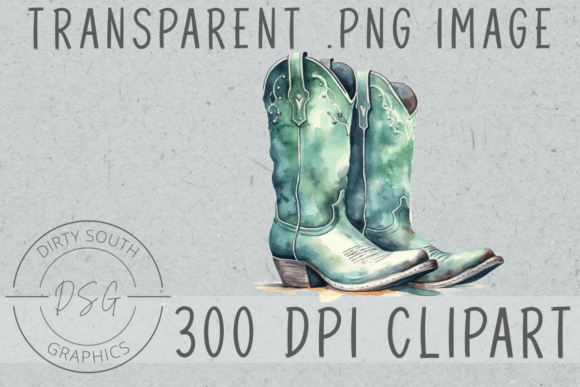
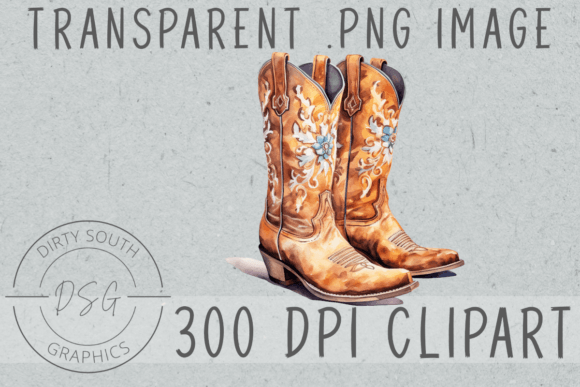
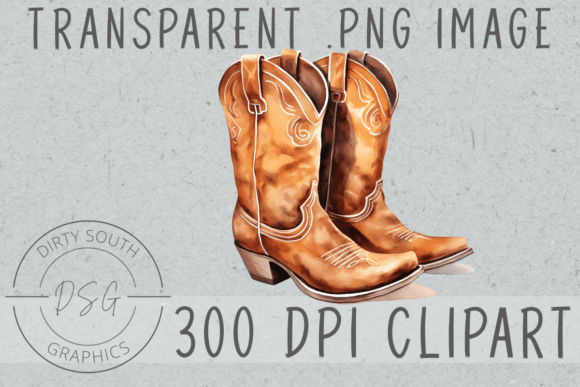
This is where Watercolor Western Cowboy Boots caught my attention. It arrives as a high-resolution PNG clipart graphic, specifically noted for its 300 dpi resolution and transparent background. At first glance, it falls squarely into the category of Illustrations and Graphics, which immediately raises a red flag for some purists who only want native machine files. However, for those of us who use sublimation printing, heat transfer vinyl, or direct-to-garment (DTG) methods alongside traditional stitching, or even those who print designs to trace them manually, this asset offers a unique set of possibilities. Let’s break down how this design holds up in the real world of craft businesses and personal projects.
The Visual Personality and First Impressions
The moment you open the file, the mood is distinct. The "watercolor" aesthetic brings a softness that contrasts beautifully with the rugged connotation of cowboy boots. In embroidery, we often deal with hard edges and dense fills, but this design suggests a more artistic, boutique feel. It feels less like a logo and more like a piece of wearable art.
The layout is clean, thanks to the transparent background. This is crucial for designers because it means you aren’t fighting against a white box when you are trying to place the image on a dark sweatshirt or a patterned tote bag. The dimensions—at least 2500×2500 pixels—ensure that the image remains crisp whether you are using it for a small chest pocket placement or a large back-print design. For an Etsy seller creating mockups, this resolution is vital. You need that clarity to convince a buyer that the final product looks premium.
Real-World Application: From Screen to Stitch
I tested the concept of this design across several potential handmade product categories to see where it truly shines. The most obvious application is custom apparel. Imagine a heavy-weight cotton sweatshirt in navy or forest green. Placing the Watercolor Western Cowboy Boots on the front creates an instant conversation starter. The watercolor effect mimics the look of high-end screen printing, which adds perceived value to the garment.
However, the versatility extends beyond just shirts. This design works exceptionally well for tote bag design projects. Canvas bags provide a sturdy surface that can handle larger graphics without distortion. When paired with simple typography, the boots become the focal point, making for a perfect gift item. Similarly, for apron embroidery or kitchen towels, the western theme adds a touch of rustic charm that fits perfectly in farmhouse-style decor.
In the realm of accessories, think about embroidered patch applications. If you were to digitize this graphic carefully, ensuring the edges are defined, it would make a striking patch for denim jackets or caps. The cap embroidery market is saturated, but a unique, artistic design like this can help a small shop product stand out from the generic star-and-stripe offerings. For baby embroidery, such as onesies or bibs, the soft color palette of the watercolor style is gentle and appealing to parents looking for something less aggressive than bold block letters.
Where Caution Is Required
While the visual appeal is high, there are practical limitations you must consider before committing to production. Because this is a PNG Image and not a native machine embroidery design or digital embroidery file with pre-set stitches, the translation from pixel to thread is entirely dependent on your digitizing skills or the quality of any auto-digitizing software you might use.
If you are planning to stitch this directly onto stretchy fabric or thin materials, be wary. Watercolor designs often rely on subtle gradients and soft edges. In machine embroidery, these areas can become muddy if the stitch density is too high or if the wrong stabilizer is used. On textured fabrics, the fine details of the watercolor wash might get lost, turning into a blob of color rather than a nuanced image. This is particularly true for dark fabric where you might need excessive underlay stitches to make light colors pop, potentially causing puckering.
Furthermore, avoid using this for tiny lettering or very small decorative accents. The strength of this design lies in its illustrative nature. Trying to shrink it down to fit a miniature hoop size will result in a loss of definition. Also, keep in mind that products requiring frequent washing, like everyday workwear, may show wear faster if the design relies heavily on surface-level color rather than durable satin stitches outlining the shape.
Practical Designer Notes for Success
To ensure your finished project meets professional standards, follow these steps before running the full production batch:
- Test on Scrap Fabric: Always run a test stitch-out on the exact type of fabric you plan to use. This helps you judge how the thread colors interact with the material grain.
- Check Contrast: View the design in black and white mockups. Does the silhouette remain clear? If the watercolor tones blend together too much, you may need to add a contrasting outline or adjust the brightness in your editing software before sending it to the machine.
- Hoop Size Confirmation: Ensure your hoop is large enough to accommodate the entire design without cutting off the edges. A cramped hoop can lead to tension issues.
- Stabilizer Selection: Use a cut-away stabilizer for stretchy garments to prevent distortion over time, and a tear-away for stable wovens if the design isn't too dense.
- Licensing Check: Before selling any commercial embroidery items, verify the license terms associated with the graphic. Even though it is a graphics asset, commercial rights vary by creator.
Final Verdict on Value and Appeal
Does Watercolor Western Cowboy Boots deliver? Yes, but with a caveat. It delivers visual impact and artistic flair, not mechanical convenience. For the creative entrepreneur who enjoys the process of digitizing their own assets or who uses print-based methods, this is a high-quality asset that elevates brand consistency. It signals that you care about aesthetics, not just speed.
For the craft business owner, this design offers a fresh take on a classic western motif. It moves away from the cliché and toward the curated. Whether you are creating holiday gifts, wedding gifts, or seasonal merchandise, the watercolor style adds a layer of sophistication that customers are willing to pay for. It transforms a simple boot graphic into a statement piece.
In conclusion, treat this as a design asset rather than a plug-and-play file. Invest time in proper setup, choose your fabrics wisely, and let the artistic quality of the watercolor style do the talking. When executed correctly, the final product will reflect professionalism, trust, and a keen eye for detail—exactly what buyers look for in the handmade marketplace.