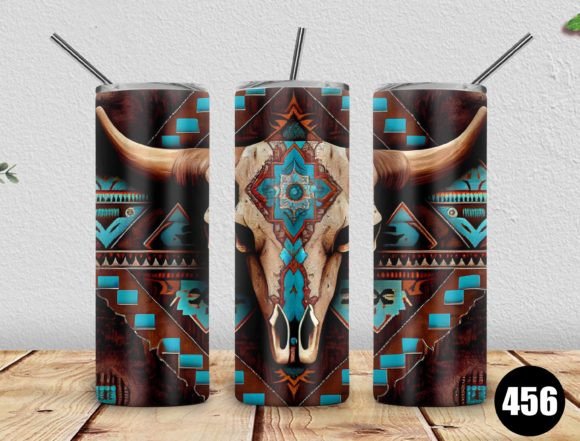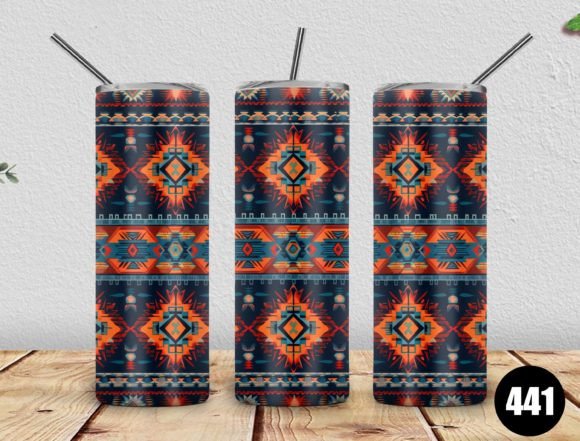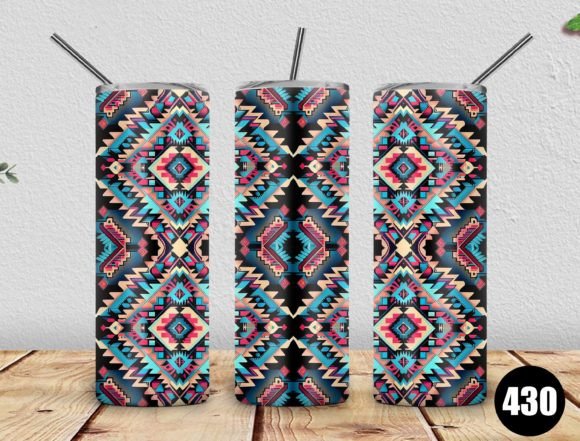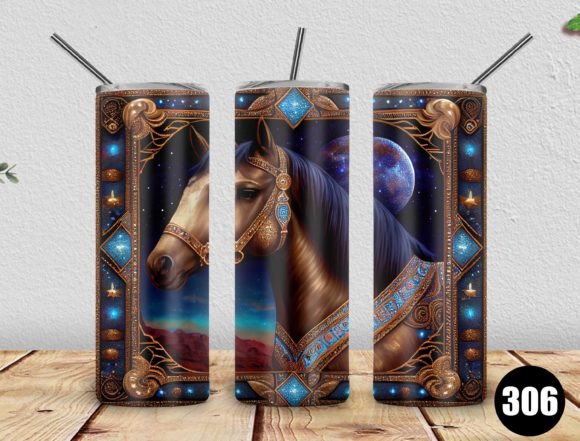
20oz Pattern Western Design Review
As a designer who spends half my life staring at stitch density charts and the other half trying to convince clients that "handmade" doesn't mean "imperfect," I approach every new digital asset with a healthy dose of skepticism. We have all been there: you find a beautiful design online, buy it, upload it to your machine, and then realize halfway through the run that the details are going to turn into a muddy mess on fabric. That is why I take the time to evaluate designs like 20oz Pattern Western Design not just as an image, but as a functional tool for production.
This review is based on how this specific graphic translates from a screen to a finished physical product. Whether you are an Etsy seller looking for your next best-seller or a hobbyist making a personalized gift, understanding the practical application of a design is just as important as its aesthetic appeal. Let’s break down what makes this design tick, where it shines, and where it might cause headaches in your embroidery workflow.
First Impressions and Visual Personality
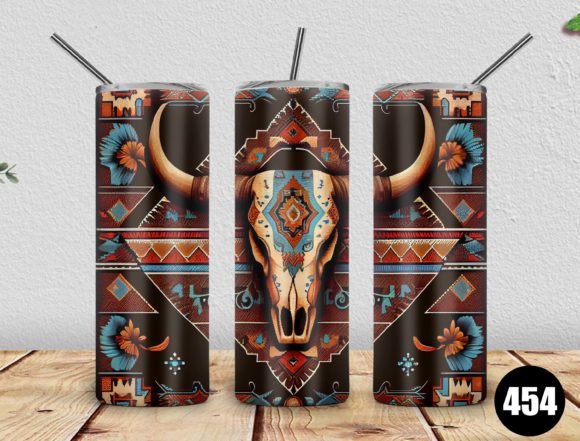
The moment you load 20oz Pattern Western Design, the theme is unmistakable. It carries a distinct rugged yet refined energy that speaks directly to the modern farmhouse or rustic-chic aesthetic that has dominated home decor and apparel for years. The visual personality is bold. It isn’t shy about taking up space, which immediately signals that this is meant to be a statement piece rather than a subtle accent.
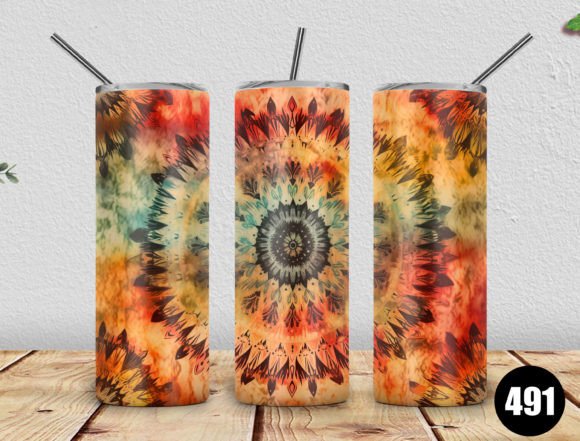
From a layout perspective, the design feels balanced. It avoids the cluttered look that plagues many lower-quality digital assets. The shapes are clean, and the negative space is utilized effectively to prevent the final product from feeling heavy. For a designer, this is crucial because it suggests that the underlying vector or raster structure is well-constructed. When a design looks good on a white background, it is easy; when it retains its integrity and mood across different contexts, that is when you know you have a winner. This design fits naturally into categories like Tumbler Wraps and various Graphics applications, offering versatility without sacrificing its core identity.
Real-World Application: From Screen to Stitch
Let’s talk about real use cases. Imagine you are preparing a batch of custom embroidered tote bags for a local craft fair. You need something that pops off the rack but also feels cohesive with a brand that values authenticity. 20oz Pattern Western Design works exceptionally well here. The scale of the design allows it to command attention on a canvas bag, creating a high-end handmade product feel that customers are willing to pay a premium for.
Similarly, consider the market for sweatshirt embroidery. A western-themed graphic adds a layer of texture and narrative to a simple garment. It transforms a basic pullover into a custom apparel item that tells a story. For baby embroidery, such as onesies or nursery decor, the design can be scaled down to create adorable, personalized gifts that stand out in a crowded marketplace. The key here is adaptability. Because the design is provided as a high-resolution PNG, you have the flexibility to adjust the size while maintaining clarity, ensuring it looks sharp whether it is on a large pillow cover or a small embroidered patch.
For Etsy sellers and small shop owners, the commercial viability of this design is significant. It taps into a perennial trend without feeling dated. When used in holiday embroidery projects, such as Christmas stockings or themed kitchen towels, the western motif adds a cozy, cabin-in-the-woods vibe that resonates strongly with buyers during the gifting season. It is the kind of design that encourages repeat purchases because it fits so seamlessly into existing collections.
Technical Performance and Stitch Considerations
However, beauty is only half the battle. As designers, we must ask: how does this hold up under the needle? The success of any machine embroidery design relies heavily on execution. While the source file is a high-resolution PNG, it is vital to remember that PNGs are raster images, not native embroidery files (like .PES or .DST). If you are using digitizing software to convert this graphic, you will need to apply appropriate stitch types. The bold lines lend themselves well to satin stitch for outlines, while larger areas might benefit from a combination of fill stitch and running stitch to reduce thread usage and bulk.
One critical factor is stitch density. If the design is too dense, it can become stiff and uncomfortable to wear, particularly on delicate fabrics. Conversely, if it is too sparse, it may show the backing material through. Before committing to a full production run, always test the design on scrap fabric. Check the thread colors against your chosen material. High contrast is your friend; dark threads on light fabric or vice versa will ensure the details remain crisp. Avoid low-contrast combinations unless you are aiming for a very specific, subtle effect.
Another technical note involves the hoop size. Ensure your machine’s hoop can accommodate the dimensions of the design without cutting off essential elements. If the design is intended for curved surfaces like caps or hats, you will need to account for the curvature in your digitizing process to prevent distortion. Using the proper stabilizer is non-negotiable. A tear-away stabilizer might work for lightweight cottons, but woven or cut-away stabilizers are often necessary for stretchy fabrics or heavier materials to prevent puckering.
Where to Use Caution
While 20oz Pattern Western Design is versatile, it is not a one-size-fits-all solution. There are scenarios where this design might struggle:
- Small Hoop Sizes: Attempting to shrink this design too much can result in lost detail. Fine lines may merge together, turning into blobs. Stick to medium to large applications for the best results.
- Textured Fabrics: Rough textures like burlap or thick chenille can obscure the finer details of the graphic. Smooth fabrics like cotton twill or polyester blends will yield the sharpest finish.
- Dark Fabric: If you plan to use light-colored threads on dark fabric, ensure the design has enough coverage. Otherwise, the darkness of the fabric may bleed through, dulling the visual impact.
- Frequent Washing: For items like kitchen towels or aprons that undergo frequent laundering, ensure the stitching is secure and the thread quality is high to prevent fraying or fading over time.
Impact on Brand and Customer Trust
In the world of craft business and digital product sellers, presentation is everything. A well-executed finished product builds trust. When a customer receives a personalized gift that looks professionally made, they are more likely to leave positive reviews and recommend your shop. 20oz Pattern Western Design, when stitched correctly, elevates the perceived value of your items. It signals that you care about quality and attention to detail.
Furthermore, consistency in design style helps build brand recognition. If you specialize in western or rustic themes, incorporating this design into your lineup reinforces your brand identity. It allows you to create cohesive collections, such as matching sets of tote bag design items, pillow covers, and tea towels. This strategic approach not only appeals to customers looking for coordinated decor but also encourages higher average order values.
Final Verdict
After evaluating 20oz Pattern Western Design from both a creative and technical standpoint, I find it to be a strong asset for any serious embroiderer. Its clear visual language, adaptable layout, and broad thematic appeal make it suitable for a wide range of projects, from personalized gifts to commercial embroidery merchandise. By paying close attention to stitch density, fabric choice, and stabilization, you can transform this digital graphic into a stunning physical reality that delights customers and strengthens your brand.
Remember to check the licensing terms before selling finished items or distributing the design assets. Always test on scrap fabric first, and don’t hesitate to tweak the thread colors to suit your specific project needs. With careful execution, this design has the potential to become a staple in your embroidery repertoire.