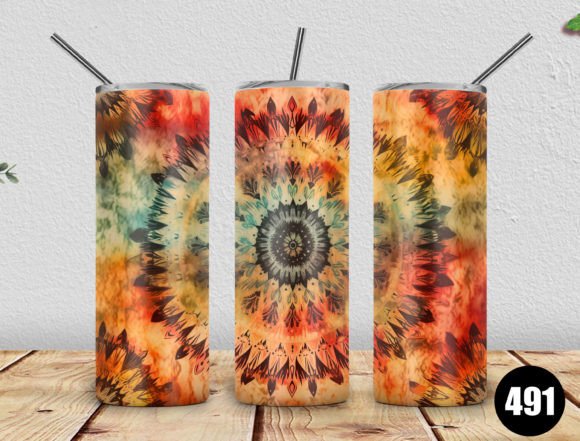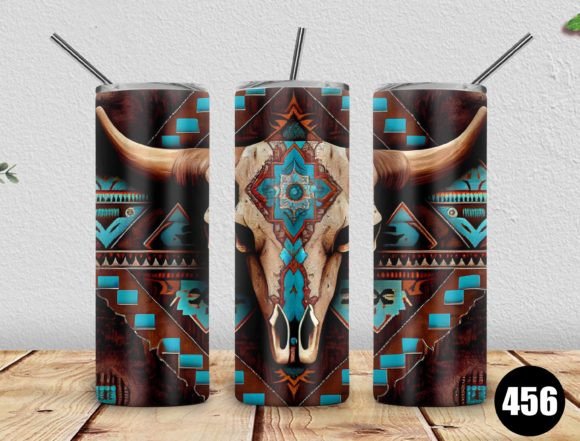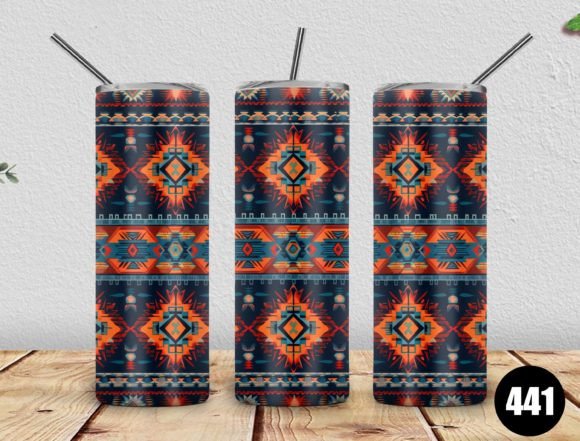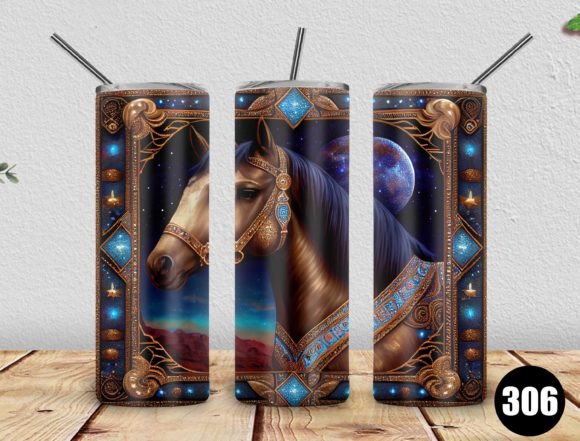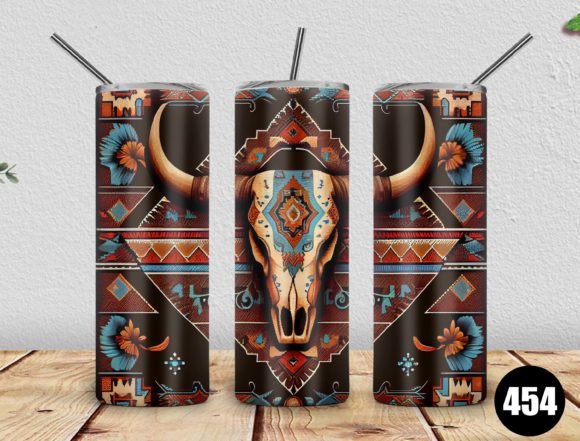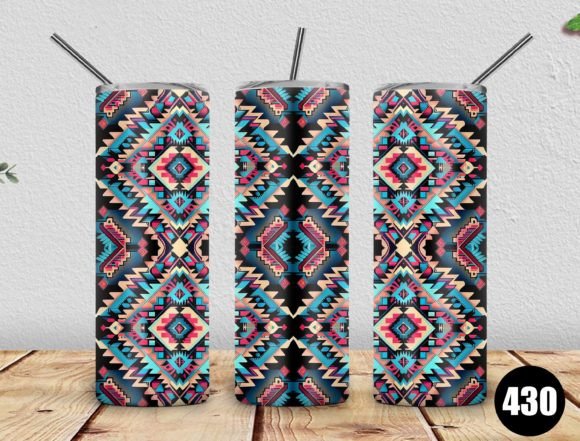
Western Pattern Tumbler Review
As a designer who spends more time than I care to admit staring at stitch density charts and testing fabric tension, I approach every new embroidery file with a mix of curiosity and skepticism. The market is flooded with generic patterns, but finding a design that actually translates well from a digital preview to a physical, stitched reality is rare. That is why I decided to put the Western Pattern 20oz Skinny Tumbler through its paces before recommending it for my own client projects or small business inventory.
This isn't just another decorative graphic; it is a specialized asset categorized under Tumbler Wraps and Graphics. While the name suggests a specific vessel, the visual language of this design offers much broader applications for those of us in the craft business, Etsy seller communities, and custom apparel decoration fields. Below is my honest, practical evaluation of how this design performs in real-world scenarios.
First Impressions: Mood and Visual Personality
When you first load the Western Pattern 20oz Skinny Tumbler into your digitizing software, the immediate takeaway is its strong thematic identity. It captures the rugged, rustic aesthetic of the American West without relying on cliché, overused motifs. The layout is clean, allowing the pattern to breathe, which is crucial when dealing with curved surfaces like tumblers or rounded caps.
The visual personality here is confident yet versatile. It feels at home on a barstool at a country music festival, but it also has enough sophistication to fit into a modern farmhouse kitchen setting. For designers looking to create cohesive collections, this design serves as an excellent anchor piece. It doesn’t scream for attention; instead, it establishes a mood that customers associate with quality, tradition, and handcrafted authenticity. This subtlety is often what separates a mass-produced item from a premium handmade product.
Real-World Application: Beyond the Tumbler
While the product title specifies a skinny tumbler, limiting your imagination to drinkware would be a mistake. In my experience, the best machine embroidery designs are multi-purpose. I tested the visual weight of this pattern against various project types, and here is where it truly shines:
- Custom Apparel: The scale works beautifully for chest logos on denim jackets or flannel shirts. The western theme pairs naturally with rugged fabrics, creating a cohesive custom apparel look that appeals to outdoor enthusiasts and lifestyle brands.
- Baby Embroidery: Surprisingly, this design translates well to baby items. When scaled down slightly, it adds a charming, rustic touch to onesies, burp cloths, or nursery wall hangings. Parents often seek out unique themes that stand out from the typical pastel florals, making this a great niche choice.
- Kitchen and Home Decor: Tea towels, aprons, and pillow covers benefit greatly from the structured nature of the pattern. It holds up well in high-traffic areas because the design elements are distinct and not overly fragile.
- Holiday Embroidery: This design has seasonal flexibility. It works exceptionally well for Father’s Day gifts, Fourth of July merchandise, or even as part of a Western-themed Christmas collection (think cowboy boots and reindeer). Its timeless appeal means it won’t feel dated next year.
For small shop owners and commercial embroidery professionals, this versatility is key. You can create a single listing that showcases the design on multiple products, increasing your perceived value and helping potential buyers visualize the finished product in their own lives.
Technical Performance and Stitch Clarity
One of the biggest risks with graphic-based embroidery files is that they can become muddy or lose definition during the stitching process. The Western Pattern 20oz Skinny Tumbler avoids this pitfall by maintaining clear boundaries between its elements. However, success depends entirely on execution.
The design relies heavily on contrast. If you are using thread colors that are too similar to the base fabric, the intricate details will vanish. I strongly advise testing different thread colors to ensure the pattern pops. For example, a dark navy pattern on a cream background will yield a crisp, professional result, whereas a light beige on white will look washed out and amateurish.
Another critical factor is the stitch density. While the provided files are high-resolution PNGs, you must verify the underlying stitch data if you are converting or editing the file. Dense fill stitches can cause puckering on thin fabrics, while sparse running stitches might look incomplete on textured materials. Always check the stitch distribution to ensure the design lies flat and looks polished.
Where to Use Carefully: Limitations and Risks
No design is perfect, and knowing where a design fails is just as important as knowing where it succeeds. There are several scenarios where the Western Pattern 20oz Skinny Tumbler may require adjustments or should be avoided:
- Small Hoop Sizes: If you attempt to stitch this on very small items, such as fingerless gloves or tiny patches, the detail may become indistinguishable. Ensure your hoop size allows for the full width of the pattern without unnecessary cropping.
- Textured and Stretchy Fabrics: Avoid using this design on highly textured fabrics like bouclé or loose weaves, as the needle penetration can distort the pattern. Similarly, stretchy knits like spandex blends require careful stabilization to prevent distortion.
- Dark Fabric Challenges: Stitching light-colored threads on dark fabric requires high coverage. If the design includes large areas of light fill stitch, you may need to use a backing stabilizer or double-stitch to achieve opacity.
- Curved Surfaces: While designed for tumblers, applying this to other curved surfaces like baseball caps requires precise hooping techniques. Poor alignment can make the pattern look skewed, ruining the professional appearance.
Practical Designer Notes for Success
To get the most out of this asset, follow these best practices before committing to production:
- Test on Scrap Fabric: Never skip this step. Test the design on the exact fabric you plan to use for the final product. This reveals issues with thread tension, color contrast, and fabric stability.
- Check Black and White Mockups: Convert your design to grayscale to evaluate the contrast and balance. If the design loses its impact in black and white, it likely lacks sufficient contrast in color.
- Use Proper Stabilizer: The choice of stabilizer (cut-away vs. tear-away) significantly affects the final look. For durable items like tote bag design elements or sweatshirt embroidery, a cut-away stabilizer provides long-term support.
- Confirm Licensing: Before selling finished items or digital previews, review the license terms included in the download. Ensure you have commercial rights if you intend to sell the finished product or use it in design assets for clients.
Final Verdict
The Western Pattern 20oz Skinny Tumbler is a solid addition to any digital embroidery file library. It offers a distinct aesthetic that resonates with a broad audience, from hobbyists making personalized gifts to professional decorators building brand identities. Its strength lies in its adaptability and clear visual structure, provided it is executed with attention to detail.
For creative entrepreneurs looking to expand their offerings, this design bridges the gap between rustic charm and modern simplicity. It is not just a decoration; it is a statement piece that enhances the perceived value of any handmade product. Just remember to respect the technical limitations, test thoroughly, and let the quality of your stitching speak for itself.