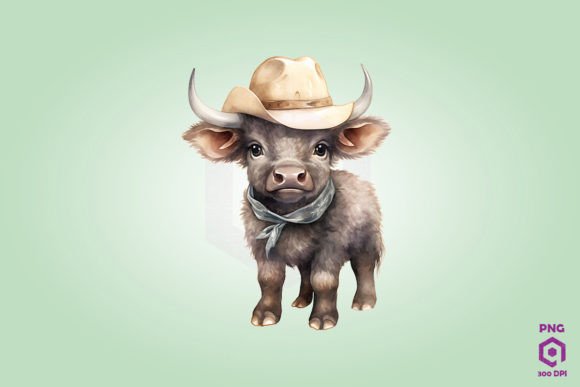
African Cape Buffalo Wearing Cowboy Hat
When I pull a new digital asset into my design workflow, I am rarely looking for just "cute." As an embroidery designer and reviewer, I am constantly evaluating whether a graphic has the structural integrity to survive the transition from screen to fabric. It is one thing to have a graphics file that looks crisp on a monitor; it is another entirely to see if it holds up as a functional machine embroidery design. Today, I am putting the African Cape Buffalo Wearing Cowboy Hat through its paces. This specific clipart PNG presents a fascinating challenge: blending the rugged, natural silhouette of a buffalo with the whimsical, anthropomorphic charm of a cowboy hat. For Etsy sellers, craft business owners, and makers looking to expand their small shop product lines, this design offers a unique niche appeal that sits right at the intersection of rustic Americana and wildlife appreciation.
First Impressions: Mood and Visual Personality
The immediate visual impact of the African Cape Buffalo Wearing Cowboy Hat is rooted in contrast. The subject matter is inherently powerful—the cape buffalo is known for its formidable horns and sturdy build—but the addition of the cowboy hat softens the image significantly, injecting a sense of humor and approachability. From a design perspective, this creates a mood that is playful yet grounded. It does not feel like a generic cartoon; rather, it feels like a character-driven illustration that could easily fit into a boutique western wear collection or a quirky nursery decor line.
For apparel decorators and handmade product creators, this personality is crucial. Customers today are drawn to items that tell a story or evoke an emotion. A simple animal silhouette might be safe, but a buffalo wearing a hat invites a smile. It suggests a brand voice that is confident, slightly irreverent, and deeply creative. When I look at the layout, the central focus is clear, which is essential for embroidery project success. The design avoids unnecessary clutter, allowing the core elements—the face, the horns, and the hat—to breathe. This clarity translates well to thread, ensuring that the final stitched piece retains the intended character without becoming muddy or indistinguishable.
Real-World Application: Where Does This Design Shine?
In my experience reviewing designs for real project use, context is everything. The African Cape Buffalo Wearing Cowboy Hat is versatile, but it excels in specific categories where its thematic elements align perfectly with the product function. One scenario that immediately comes to mind is the creation of custom embroidered patches for denim jackets or backpacks. The bold outline and distinct shape of the buffalo make it an ideal candidate for an embroidered patch. When applied to a canvas tote bag or a heavy-duty backpack, the design adds a layer of rugged individualism that appeals to outdoor enthusiasts and fashion-forward consumers alike.
Another strong application is in sweatshirt embroidery and custom apparel. Imagine a crewneck sweatshirt featuring this design centered on the chest or placed as a large back print. The juxtaposition of the cozy, casual garment with the striking buffalo motif creates a high-value aesthetic. This type of design performs exceptionally well during holiday seasons, serving as a memorable personalized gift for someone who loves animals, western culture, or simply enjoys unique conversation starters. It also fits seamlessly into holiday embroidery collections when paired with complementary seasonal elements, though standing alone, it works year-round.
For baby embroidery and nursery decor, the design takes on a different tone. While a cape buffalo is a wild animal, the cowboy hat element makes it friendly enough for a child’s room. A onesie or a burp cloth featuring this design can serve as a standout item in a printable mockup or a physical listing. Parents often look for gifts that are both adorable and distinctive, and this design bridges that gap effectively. It is less aggressive than a roaring lion and more interesting than a standard bear, making it a smart choice for digital product sellers looking to diversify their design assets.
Technical Considerations and Stitching Challenges
However, moving from concept to execution requires careful planning. The African Cape Buffalo Wearing Cowboy Hat, while visually appealing, presents several technical hurdles that every embroiderer must address before hitting the start button. The most critical factor is stitch density and detail resolution. Buffalos have complex horn structures and textured fur patterns. If the original graphic is too detailed, attempting to replicate every nuance in thread can lead to a stiff, unmanageable fabric surface. Conversely, simplifying the design too much may lose the character that makes it special.
I strongly advise testing this design on scrap fabric first, paying close attention to the stitch density. Areas such as the eye, the nostrils, and the brim of the hat require precise satin stitch work to maintain definition. If the hoop size is too small relative to the design complexity, you risk distortion, especially on curved surfaces like caps or tote bag design corners. Furthermore, the interaction between the buffalo’s dark tones and the lighter hat brim demands careful thread colors selection. On dark fabric, you will need underlay stitches to prevent the top threads from showing through, whereas on light fabrics, the contrast may naturally pop, requiring fewer stabilizer layers.
There are also specific areas where this design should be used carefully. Avoid placing intricate details of this graphic on thin or stretchy fabrics, as the tension required for dense fills can cause puckering. Similarly, on textured fabrics like fleece or heavy tweed, fine details may get lost in the weave. In these cases, relying on broader shapes and fewer color changes is a safer bet. Always inspect small details closely after stitching; if the horns become a single blob of thread, the design may need digitizing adjustments or a reduction in scale.
Practical Designer Notes for Success
- Test Before You Sell: Never assume a digital embroidery file will perform perfectly out of the box. Run test stitches on the actual fabric you plan to use to check for color bleeding, fabric distortion, and thread breakage.
- Check Licensing: Before listing any finished items on Etsy or selling them commercially, confirm the licensing terms associated with the African Cape Buffalo Wearing Cowboy Hat. Ensure you have the right to sell physical goods made from this design to avoid legal issues.
- Use Proper Stabilizer: Depending on the garment weight, choose the appropriate cut-away or tear-away stabilizer. For aprons and kitchen towels, a lightweight tear-away may suffice, while sweatshirt embroidery often benefits from a heavier cut-away to maintain structure over time.
- Review in Black and White: Convert your design preview to black and white to ensure there is sufficient contrast between elements. This helps identify potential muddiness in the final stitched product before you commit to expensive thread colors.
- Consider the End User: Think about how the finished product will be cared for. Items that require frequent washing, such as baby clothes or kitchen towels, need durable stitching techniques to prevent the design from fraying or fading quickly.
Ultimately, the African Cape Buffalo Wearing Cowboy Hat is more than just a fun graphic; it is a strategic tool for designers who understand the nuances of textile art. By respecting the technical limitations of embroidery and leveraging the design’s inherent charm, you can create high-quality commercial embroidery projects that resonate with customers. Whether you are crafting a unique gift for a friend or building a robust inventory for your online store, this design offers a compelling blend of wit and style. Just remember that successful embroidery is born from preparation—test thoroughly, choose your materials wisely, and let the quality of your work speak for itself.