Cowboy Boxer Dog Clipart Review
As a designer who spends half my life staring at digitized files and the other half troubleshooting stitch errors on the machine, I have learned to be skeptical of clipart that claims to be "ready for embroidery." There is a massive difference between a graphic that looks good on a screen and one that translates well into thread. Recently, I came across the Cowboy Boxer Dog Clipart, and I decided to put it through its paces. The goal was simple: determine if this Illustrations category asset holds up in a real-world commercial embroidery project or if it belongs strictly in the digital scrapbooking bin.
The premise is charming enough. We are looking at a classic American motif—the rugged cowboy—reimagined with the distinct, boxy silhouette of a Boxer dog. For those of us in the handmade product space, specifically Etsy sellers and small shop owners, niche themes like this often perform better than generic pet designs. It taps into two very loyal demographics: dog lovers and western-themed enthusiasts. But does the visual personality of the Cowboy Dog PNG actually work when rendered in thread?
First Impressions and Visual Mood
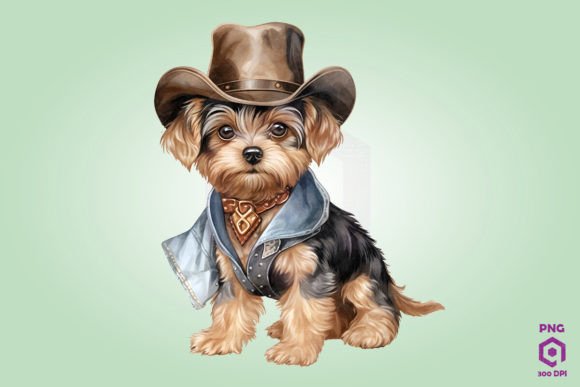
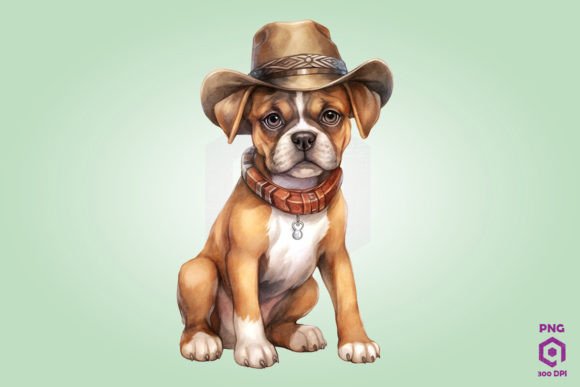
When you first load the file, the mood is immediately established as playful yet rustic. The character design leans heavily into the cartoonish traits of the breed—the jowls, the alert ears, and the sturdy stance—while adding the accessories typical of the cowboy theme, such as a hat or bandana. This creates a strong visual anchor. In the world of custom apparel, you need a subject that reads instantly from three feet away. A complex realistic portrait might get lost in the noise of a busy fabric texture, but this graphic has bold outlines and clear shapes.
The layout feels balanced, which is crucial for placement on garments. Whether you are planning a left-chest placement on a polo shirt or a large centered graphic on a sweatshirt embroidery piece, the composition doesn't feel top-heavy or awkward. It has a grounded presence. For a craft business owner, this kind of clarity reduces the risk of customer returns due to "design didn't look right" complaints. It promises a finished product that looks intentional and professional.
Real-World Application: The Tote Bag Scenario
To test this properly, I imagined a specific use case: a custom embroidered tote bag for a local farmers market or a boutique gift shop. Tote bags are a staple for handmade products because they are low-cost items with high perceived value when decorated well. They also allow for larger design areas than caps or baby onesies.
If I were to digitize this Cowboy Dog clipart for a canvas tote, the contrast would be key. The natural beige or denim blue of a standard tote provides an excellent neutral background. The vibrant colors typically associated with this type of dog sublimation or embroidery design—think warm browns, denim blues, and skin tones—would pop without clashing. The design’s inherent simplicity means it wouldn’t require excessive underlay stitching, which can sometimes cause puckering on loose-weave fabrics like canvas.
Furthermore, the theme lends itself perfectly to gifting. A personalized gift featuring a cowboy boxer is ideal for someone who loves western wear or owns a Boxer. It moves beyond generic "I love my dog" merchandise and enters the realm of specific identity expression. For an Etsy seller, listing this as part of a broader "Western Pet Collection" could help capture search traffic from buyers looking for something unique rather than mass-produced.
Technical Considerations for Embroidery Designers
While the graphic is appealing, translating a 2D raster image or vector clipart into a functional machine embroidery design requires careful planning. Here is where the rubber meets the road for any serious decorator.
- Stitch Density and Clarity: The details on a Boxer’s face, particularly around the eyes and muzzle, must be simplified during digitization. If the stitch density is too high, the fabric will pucker, and fine lines may merge into blobs. You need to rely on satin stitch for outlines and fill stitch for larger color blocks, ensuring that the running stitch accents don’t overwhelm the main subject.
- Thread Color Contrast: One of the biggest mistakes new designers make is using low-contrast thread colors. On the Cowboy Boxer Dog Clipart, if you place dark brown thread on a black fabric, the hat brim might disappear. Always test your thread colors against the actual fabric swatch before committing to a full production run.
- Hoop Size Constraints: While this design likely fits comfortably in a standard 4x4 or 5x7 hoop, be cautious if you plan to scale it down significantly for embroidered patches or small accessories. Tiny details often get lost in the stitching process. If the design includes tiny text or intricate patterns on the cowboy hat, consider simplifying them or removing them entirely for smaller projects.
Where to Use It (and Where to Be Careful)
This design shines in structured environments. It works beautifully on caps and hats, where the curved surface complements the rounded shape of the dog’s head. It is also excellent for aprons and kitchen towels, especially for holiday gifts or housewarming presents. The rugged aesthetic fits well in farmhouse-style decor.
However, there are places where you should exercise caution. Avoid using this on highly textured fabrics like heavy bouclé or thick chenille unless you have advanced digitizing skills to manage the needle penetration. Stretchy knits can distort the geometric elements of the cowboy theme if not stabilized properly. Additionally, be mindful of dark fabric backgrounds; while they can look sleek, they often require a white or light-colored underlay to make the design colors true, which adds bulk to the back of the garment.
Final Verdict for Creative Entrepreneurs
The Cowboy Boxer Dog Clipart is more than just a cute image; it is a viable foundation for a profitable line of commercial embroidery products. Its strength lies in its thematic clarity and broad appeal within the pet and western niches. It allows for creative variations, such as changing the hat style or the bandana pattern, making it a versatile asset for digital product sellers and physical goods creators alike.
Before incorporating this into your small shop product inventory, remember to check the licensing terms. Ensure you have the right to sell finished items made from the Graphics file. Test the design on scrap fabric first, inspect the stabilizer choice, and verify that the final finished product meets your quality standards. When done correctly, this design has the potential to become a bestseller in your craft business, resonating with customers who appreciate both their pets and a touch of western flair.