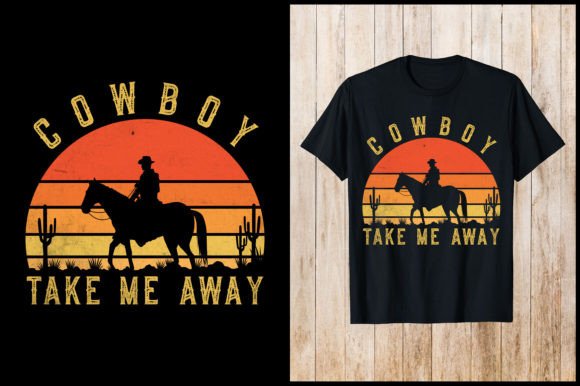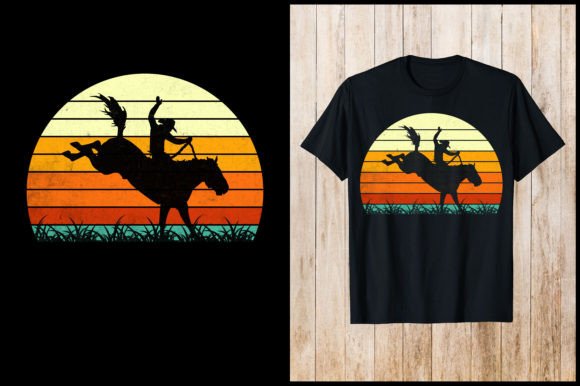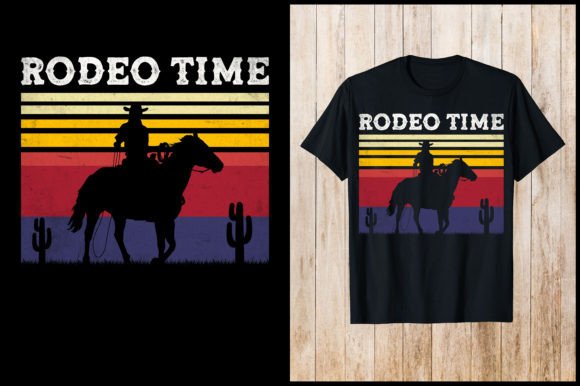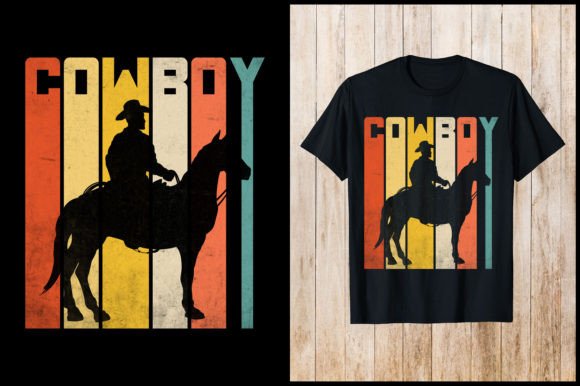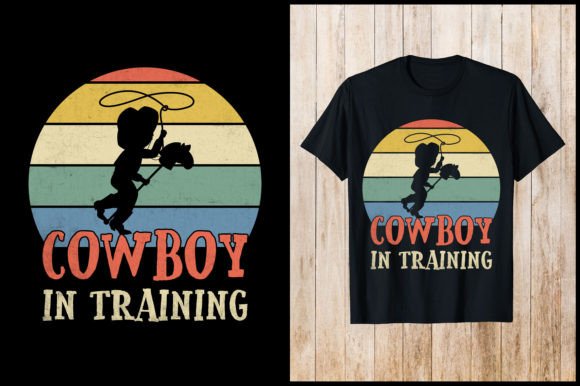
Little Cowboy in Training Retro T-Shirt
When I sit down to review a new digital asset for my embroidery studio, I am rarely looking at just a graphic. I am looking at a potential finished product that will eventually hang on a rack, be gifted by a grandmother, or become part of a small business’s inventory. The Little Cowboy in Training Retro T-Shirt design is one of those files that immediately signals a specific niche: the western-themed baby market and boutique apparel sector. As an experienced designer who has stitched thousands of designs, I approach this file not just as a pretty image, but as a technical blueprint for a commercial project.
The first impression of this design is its cohesive retro aesthetic. It does not feel like a generic clip-art cowboy; it carries a distinct vintage personality. For embroidery designers, this mood is critical because it dictates the entire stitching strategy. A modern, clean vector might scream for a crisp satin stitch with minimal fill, but a retro theme demands texture, warmth, and a bit of grit. This design naturally lends itself to thread choices that mimic aged denim, dusty browns, and warm ochres rather than stark primary colors. It sets the stage for a handmade product that feels curated rather than mass-produced.
Real-World Application and Project Suitability
In my workflow, I constantly ask myself where this embroidery file would actually live. The visual weight and layout of the Little Cowboy in Training Retro T-Shirt suggest it is perfectly balanced for chest-area placement on toddler and infant garments. It is large enough to make a statement but contained enough to remain legible from a distance. This makes it an ideal candidate for custom apparel projects targeting parents who love the western trend.
I envision this design thriving on soft cotton blends for baby onesies or heavyweight fleece for winter sweatshirts. The retro vibe pairs exceptionally well with the texture of heather grey or oatmeal-colored fabrics, which are staples in modern nursery decor and boutique branding. Furthermore, because the design has a strong graphic quality, it translates beautifully beyond clothing. I have successfully used similar compositions for embroidered patches that can be ironed onto denim jackets or backpacks, adding a personalized touch to everyday carry items. It also works well as a focal point for tote bag designs, offering a durable decoration that survives frequent washing.
For Etsy sellers and craft fair vendors, versatility is key. This design is not limited to a single use case. It can be adapted into a holiday embroidery project for Christmas gifts, placed on tea towels for kitchen decor, or even stitched onto pillow covers for a themed nursery. The adaptability of this graphic increases its value as a design asset, allowing creators to offer multiple products from a single purchase.
Technical Execution and Stitching Considerations
Transitioning from a digital screen to the hoop requires careful planning. When evaluating how the Little Cowboy in Training Retro T-Shirt performs in real-life embroidery situations, we must look at stitch density and detail resolution. Retro designs often rely on solid shapes and bold outlines, which generally hold up well in machine embroidery. However, if the design includes intricate line work or tiny text, those elements require a high-quality satin stitch to avoid fraying or losing definition.
One of the most common mistakes I see is ignoring fabric texture when selecting a design. If you plan to embroider this on a textured fabric like boucle or heavy waffle knit, the underlying structure of the design may get lost. In such cases, using a proper stabilizer is non-negotiable to ensure the stitches lay flat and maintain their shape. Additionally, thin or stretchy fabrics pose a risk of puckering. For these materials, a cut-away stabilizer is often recommended to provide long-term support, especially for items like caps or hats where the curvature of the surface can distort dense stitch areas.
Thread color contrast is another vital factor. On dark fabric, the retro tones need to pop. I often test designs in black and white mockups to ensure the negative space and positive shapes are distinct. If the design relies on subtle shading that disappears against a navy blue background, it will fail as a finished product. The visual appeal drops significantly if the customer cannot clearly identify the subject matter within three seconds of looking at it.
Where to Use With Caution
While this design is versatile, there are specific scenarios where it should be used carefully. Small hoop sizes can be problematic if the design contains delicate details near the edges. When digitizing or preparing the file, ensure that no critical elements are too close to the hooping area, as the tension of the hoop can crush the fabric and distort the stitches. Similarly, curved surfaces like baseball caps present a challenge. While the central part of the design may stitch well, the corners might stretch or pull if the fabric is not properly stabilized underneath.
Dense stitch areas should also be monitored. If the design uses a lot of fill stitch in a small area, it can become stiff and uncomfortable, particularly on baby clothes. For baby embroidery, comfort is paramount. A design that is too rigid will irritate sensitive skin. In these cases, opting for lighter fill patterns or combining running stitch accents with smaller fill sections can improve wearability without sacrificing the visual impact.
Professional Notes for Designers and Sellers
Before committing to a production run, I always advise testing the design on scrap fabric first. This step reveals issues with thread tension, needle size, and stabilizer choice that are impossible to predict from a digital preview. Check whether the design works for both personal and commercial projects by reviewing the licensing terms provided with the file. Many creators sell digital embroidery files with restrictions on how many finished items can be sold. Ignoring these terms can lead to legal issues for small shop owners.
Another practical tip is to inspect the small details closely. Zoom in on the raster preview if available, or convert the vector to a mockup to see how fine lines render. If the design includes lettering, verify that the font size is large enough to be readable after stitching. Tiny letters often blur together, turning a charming message into an unintelligible blob. For personalized gift items, clarity is essential to maintain customer trust and satisfaction.
Finally, consider the overall brand consistency. If your shop specializes in rustic, handcrafted goods, the retro theme of the Little Cowboy in Training Retro T-Shirt aligns perfectly with that identity. It adds a layer of professionalism and recognition to your listings. Buyers are more likely to engage with a product that looks intentional and cohesive. By paying attention to these details—stitch density, fabric choice, and licensing—you transform a simple graphic into a successful craft business staple.
In conclusion, this design offers a strong foundation for a variety of T-Shirt Designs and related merchandise. Its retro charm and clear composition make it a safe yet stylish choice for makers looking to expand their offerings. With proper technical preparation and thoughtful application, it can become a bestseller in any boutique or online store.