Mama Lucky Charm Western Tie Dye Print Review
As a designer who spends half my life staring at stitch density charts and the other half trying to convince clients that embroidery isn’t just "old lady cross-stitch," I approach every new digital asset with a healthy dose of skepticism. The market is flooded with generic clip art, but finding a design that balances aesthetic appeal with technical viability for actual production is rare. That is why I decided to put Mama Lucky Charm Western Tie Dye Print through its paces. This isn’t just about looking pretty on a screen; it’s about whether this design holds up when transferred to fabric, stitched out, and sold as a premium handmade product.
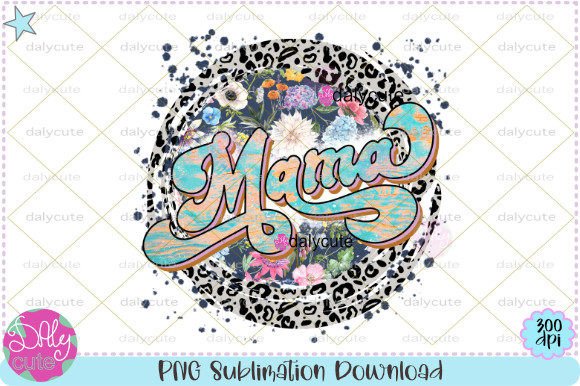
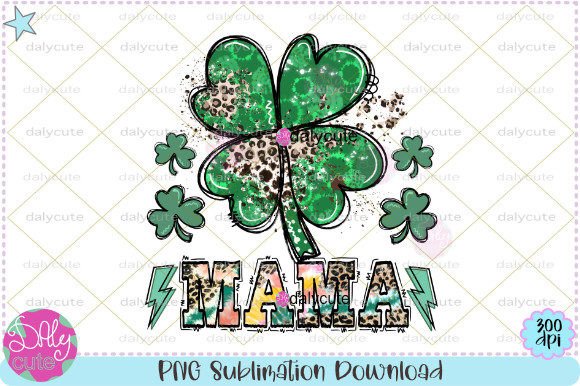
I received the Mama Lucky Charm Western Tie Dye Sublimation DIGITAL FILE ONLY, which comes as a high-resolution PNG file. For those of us working in print templates and graphics, knowing you are getting a 4000 x 4000 pixel file at 300 dpi is a relief. It means the visual integrity is there before we even think about thread counts. However, since this is a sublimation-style graphic intended for embroidery projects, the real test lies in how the eye interprets the tie-dye texture and western theme when rendered in thread.
First Impressions: Mood and Visual Personality
The moment you open the file, the mood is distinct. It leans heavily into the boho-western aesthetic that has been dominating craft fairs and Etsy listings for the past few years. The "Mama" aspect suggests a maternal or nurturing theme, while the lucky charm element adds a touch of whimsy. The tie-dye pattern provides a soft, organic background that contrasts nicely with sharper graphical elements, assuming the design uses them effectively.
From a branding perspective, this design feels approachable. It doesn’t scream corporate; it whispers "handmade boutique." For an Etsy seller or a small shop product owner, this visual personality is gold. It fits perfectly into the niche of personalized gifts for new mothers, baby showers, or maternity photography props. The color palette, typical of tie-dye, usually involves pastel blends or vibrant swirls, which tend to photograph well—a crucial factor for any printable mockup or online listing.
Real-World Application: Where Does This Design Shine?
I envision this machine embroidery design performing exceptionally well on specific items where soft textures complement the artistic style. Here is where I would deploy this asset:
- Custom Apparel: A cropped sweatshirt or a vintage-wash t-shirt is the obvious choice. The western theme pairs naturally with denim or chambray fabrics. When embroidered on a sweatshirt embroidery project, the tie-dye effect can mimic the fabric's own texture, creating a cohesive look.
- Baby Embroidery: This is perhaps the strongest use case. A onesie, burp cloth, or swaddle blanket featuring this design hits the emotional sweet spot for gift-givers. The "Lucky Charm" motif is perfect for a gender-neutral baby shower gift.
- Tote Bag Design: Canvas tote bags are workhorses for craft business owners. Placing this design centrally or on the pocket area of a canvas bag gives it a street-style vibe that appeals to younger demographics.
- Home Decor: Pillow covers or tea towels made from linen or cotton blends can elevate this design from apparel to home goods. The tie-dye pattern works well on natural fibers, enhancing the rustic feel.
When customers see a finished product like an embroidered patch or a custom apron featuring this design, they perceive value not just in the labor, but in the unique artistry. It stands out against the sea of solid-color monograms that clutter many marketplaces.
Technical Considerations and Stitching Challenges
However, no design is without its pitfalls. As an experienced reviewer, I must highlight where Mama Lucky Charm Western Tie Dye Print requires careful handling. Tie-dye patterns are inherently complex visually, but if the embroidery file attempts to replicate every swirl with intricate stitches, you risk issues with stitch density and registration.
If the design relies heavily on fill stitch areas to create the gradient effect of the tie-dye, you need to ensure your machine can handle the density without puckering the fabric. On thin fabrics or stretchy knits, this can lead to distortion. I strongly advise testing the design on scrap fabric first. Pay close attention to the transition between colors; if the thread colors do not have enough contrast, the details will muddy together, especially in smaller hoop sizes.
Another critical point is the interpretation of the "sublimation" aspect. Since this is a digital file provided as a PNG, it is likely intended for direct-to-film (DTF) printing or sublimation transfer rather than raw machine embroidery code (like .PES or .DST). If you are using this as a base for an applique design, you will need to digitize the shapes yourself. Ensure you review the stitch density of your digitized version. Dense satin stitches around the edges of a complex shape like a lucky charm can become bulky and uncomfortable, particularly on baby clothes or delicate custom apparel.
Strategic Advice for Sellers and Makers
For those selling finished goods, presentation is everything. Use the high-resolution nature of the 4000x4000 pixel file to create stunning design assets for your marketing. Show the design on different backgrounds—light vs. dark—to demonstrate versatility. This helps potential buyers visualize the finished product in their own homes or wardrobes.
Always confirm licensing before selling. While the file is a digital download, commercial rights vary. If you plan to sell hundreds of units, verify that the license allows for mass production. For hobbyists and personal use, this design is a fantastic way to add a professional touch to personalized gifts. Whether it’s a holiday embroidery project for family or a unique wedding gift, the western tie-dye theme offers a modern twist on traditional motifs.
In summary, Mama Lucky Charm Western Tie Dye Print is a strong contender for designers looking to tap into the boho-maternal market. Its visual appeal is high, and its thematic relevance is clear. Just remember to respect the technical limitations of embroidery. Test your stabilizers, choose your fabrics wisely, and let the design’s artistic merit shine through without overcomplicating the stitch work. When executed correctly, this design can be the centerpiece of a best-selling line in any small business merchandise catalog.