Teacher Western Cowhide Review
As a designer who spends half the day in digitizing software and the other half troubleshooting why a customer’s finished product didn’t match their expectations, I approach every new digital embroidery file with a healthy dose of skepticism. We are all drowning in assets labeled "premium" that turn into muddy messes on the hoop. So, when I came across the Teacher Western Cowhide Sublimation, I decided to put it through its paces—not just by looking at the preview, but by thinking about how it would behave in a real-world production environment.
This isn’t just another clipart download. It is a Print Template and Graphics asset designed for sublimation, which presents a unique set of challenges when we, as embroiderers, try to adapt these visual concepts into stitchable realities. Below is my honest breakdown of what this design brings to the table, where it shines, and where it might trip you up if you aren’t careful.
The First Impression: Mood and Visual Personality
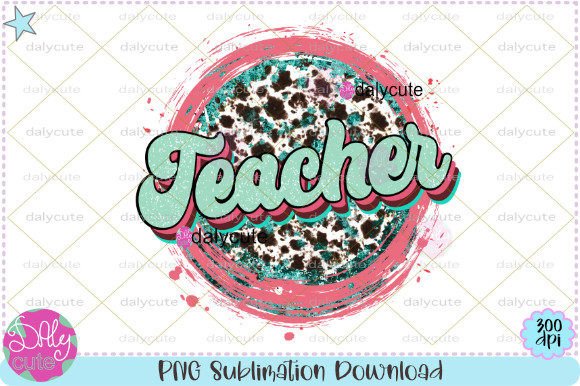
The moment you open the zip file containing the PNG Files at 300 dpi, the aesthetic is immediately clear. The Teacher Western Cowhide Sublimation carries a rugged yet polished vibe. It taps into that enduring love for western aesthetics—think rodeo rosettes, vintage typography, and the organic texture of cowhide—but refines it for a modern audience.
From a design perspective, the layout feels balanced. It doesn’t scream for attention; rather, it invites the viewer in. This is crucial for custom apparel because you want the garment to look elevated, not costumey. The cowhide pattern provides a natural break in the visual field, which can help disguise minor stitching imperfections—a small mercy for us all. However, because this is originally a sublimation graphic, you have to translate its flat color blocks into thread textures. Does it read well as an embroidery project? Yes, provided you choose your threads wisely.
Real-World Application: Where This Design Fits Best
I’ve been testing this concept mentally across several common handmade product categories. Here is where I see the highest potential for success:
- Educational Gifts and Back-to-School Merch: The word "Teacher" is front and center. This makes it a perfect candidate for end-of-year gifts. Imagine this embroidered on a high-quality canvas tote bag design or a sturdy apron. It hits the emotional sweet spot for parents buying gifts for their child’s favorite instructor.
- Boutique Branding: For the savvy Etsy seller or small shop product owner, this design works beautifully for branding items. Think patches sewn onto denim jackets or caps. The western theme pairs exceptionally well with denim and leather accents, creating a cohesive commercial embroidery line.
- Holiday Embroidery: While not strictly seasonal, the warm tones often associated with cowhide patterns make this suitable for fall and winter gifts. A sweatshirt embroidery featuring this motif feels cozy and rustic, ideal for holiday markets.
- Nursery and Baby Items: If you soften the palette, this can work for unisex baby clothes. The cowhide texture is trendy in nursery decor right now. Using this as a base for a baby embroidery project allows you to create unique onesies or burp cloths that stand out from the typical pastel offerings.
Technical Considerations for the Stitched Version
Here is the critical part. You are downloading a digital embroidery file concept (specifically a PNG at 4000 x 4000 pixels), but you need to understand how this translates to needle movement. Since this is a graphics asset intended for sublimation, you likely need to convert or trace this for machine embroidery unless you are using it purely for print-on-demand mockups.
If you are converting this into a stitchable format, pay close attention to the following:
- Stitch Density: Cowhide patterns rely on contrast. If your stitch density is too low, the texture will disappear. If it is too high, the fabric may pucker. You need a balanced approach, perhaps using a combination of fill stitch for the background texture and satin stitch for any text elements.
- Thread Colors: The original graphic likely uses specific hex codes for sublimation. For embroidery, you must select thread colors that mimic those shades but have enough opacity to cover the base fabric. Metallic or variegated threads can add a nice touch to the cowhide areas, giving them a subtle sheen that mimics the gloss of printed leather.
- Fabric Texture: This design demands a stable base. It looks best on medium-weight cottons, denims, or twill. Avoid thin fabrics where the underlay stitches might show through and distort the cowhide pattern.
Where to Use Caution
No design is universal, and Teacher Western Cowhide Sublimation has its limitations. There are specific scenarios where this design could fail:
- Small Hoop Sizes: Do not attempt to shrink this down to a tiny pocket size. The details of the cowhide pattern and the legibility of the text will collapse into a blur. Keep the hoop size generous to maintain clarity.
- Textured or Stretchy Fabrics: Putting this on a ribbed knit cap or a highly textured wool blanket is risky. The stabilizer alone cannot compensate for the uneven surface, leading to skipped stitches or misalignment.
- Dense Stitch Areas: If the design includes heavy text alongside the cowhide, be wary of overlapping dense areas. This can cause the needle to break or the thread to snap. Simplify the design if necessary.
- Curved Surfaces: While caps are popular, the flat nature of the cowhide pattern might look distorted on a curved brim or crown unless you use specialized cap frames and hooping techniques.
Practical Designer Notes for Success
Before you hit "start" on your machine, follow these steps to ensure your finished product looks professional:
Test on Scrap Fabric: Always run a test stitch-out. Check how the fabric texture interacts with the thread. Does the cowhide pattern blend in too much? Does the text pop?
Check Contrast: View your design in black and white mockups. This helps you judge the value contrast without being distracted by color. If the cowhide and the text merge, adjust your thread choices.
Use Proper Stabilizer: Depending on your fabric, you may need cut-away stabilizer for durability, especially for items like aprons or tote bags that will undergo frequent washing. Tear-away is fine for temporary items like holiday embroidery cards, but not for wearable goods.
Confirm Licensing: As a craft business owner, you must verify the licensing terms of the Teacher Western Cowhide Sublimation file. Can you sell the finished physical items? Can you sell digital mockups? Clear this up before listing on Etsy or your own website to avoid legal headaches.
Final Verdict
The Teacher Western Cowhide Sublimation is a versatile, mood-setting asset that bridges the gap between rustic charm and modern professionalism. It is not just a pretty picture; it is a strategic choice for designers looking to tap into the western trend without sacrificing elegance.
For the small business merchandise creator, this design offers high perceived value. Customers associate cowhide patterns with quality and tradition. When combined with clean typography and precise stitching, it creates a personalized gift that feels thoughtful and durable. Whether you are creating custom apparel for a local school or building a brand identity for your online shop, this design provides a solid foundation.
Just remember: the magic happens in the execution. Test your stitch density, respect your hoop size, and choose your thread colors with intention. When done right, this design will not only look good—it will sell well.