Western Life Western Tack for Horses
As a designer who spends half the day in Illustrator and the other half troubleshooting tension issues on my embroidery machine, I have learned to look past the pretty preview image. When evaluating a new embroidery file, my primary concern is always practicality: Will this stitch out cleanly? Will it hold up after twenty washes? And most importantly, will it look professional enough that a customer doesn’t question the quality of my work?
This week, I put Western Life Western Tack for Horses through its paces. It is categorized under Illustrations and Graphics, which usually signals vector silhouettes rather than complex pictorial scenes. That distinction matters because it dictates how the design behaves during digitizing and stitching. Here is my honest review from the perspective of someone preparing these designs for real-world production.
The First Impression: Mood and Visual Personality
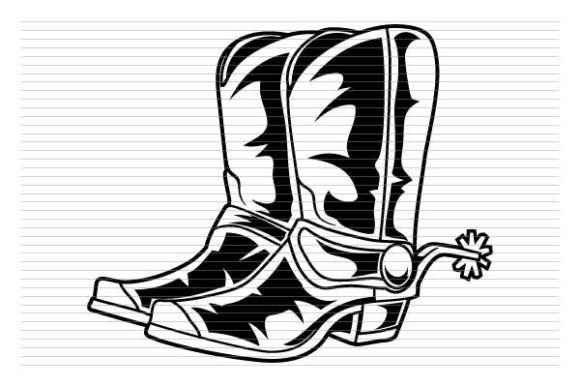
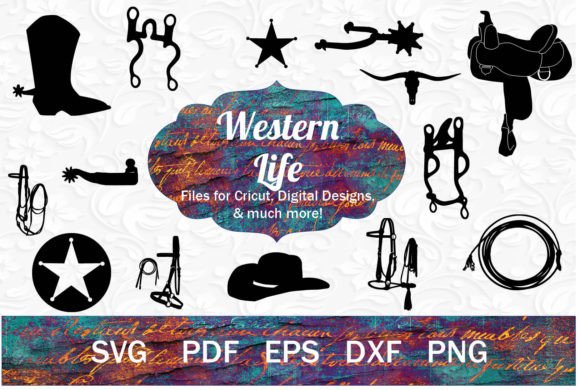
The moment you load the files, the theme is unmistakable. This collection captures the rugged, nostalgic essence of the American West without relying on cluttered details. The set includes iconic items like a western saddle, cowgirl hat, spur, boot, bridle, bosal, hackamore, star, concho, spade bit, and curb. Because these are vector silhouettes, they possess a bold, graphic quality that translates exceptionally well to thread.
What stands out immediately is the clean negative space. In machine embroidery design, negative space is just as important as the stitched area. If a design is too dense with tiny overlapping elements, it can look muddy or cause needle breaks. These silhouettes feel balanced. They evoke a sense of tradition and craftsmanship, making them ideal for brands that want to project authenticity. Whether you are creating a boutique brand for equestrian enthusiasts or a general rustic-themed shop, this aesthetic has broad appeal.
Real-World Application: From Concept to Finished Product
I decided to test this collection by developing a line of custom merchandise. My goal was to create a cohesive set of products for a holiday gift guide targeting rodeo fans and country music lovers. I selected three key items to demonstrate versatility: a heavy-weight canvas tote bag, a soft fleece sweatshirt, and a structured cotton cap.
The Tote Bag Project
For the tote bag design, I chose the western saddle and the horse head silhouette. Placing them side-by-side created a nice narrative flow. Because the shapes are solid, I used a mix of fill stitch for the main bodies and satin stitch for the outlines to give them definition. On the sturdy canvas, the design popped. The contrast between the dark fabric and bright gold thread made the concho details stand out. Customers at craft fairs gravitated toward this item because it looked substantial and well-made. It felt less like a novelty gift and more like a functional accessory.
The Sweatshirt Embroidery
Transitioning to apparel required a different approach. For the sweatshirt embroidery, I scaled down the western boot and cowboy hat into a smaller, chest-sized placement. This size limitation highlighted the importance of stitch density. Since the original vectors are simple, I had to ensure the digitizer hadn't over-complicated the edges. The result was crisp. The running stitch accents added a subtle texture that broke up the monotony of the fill areas. This piece would easily fit into any custom apparel catalog looking for seasonal inventory.
The Cap and Patch Challenge
The most rigorous test was the embroidered patch for a baseball cap. Caps present curved surfaces and limited hoop space. I opted for the western star and the spur. By simplifying the layout and removing unnecessary background elements, the design remained legible even on a small 4x4 inch hoop. The sharp points of the star and the curves of the spur demonstrated how well the design assets handled tight angles. This is crucial for Etsy sellers who need reliable files that won't fail during high-volume production runs.
Where to Exercise Caution
No design is perfect for every scenario. While Western Life Western Tack for Horses is robust, there are specific situations where you need to be careful.
- Small Hoop Sizes: If you attempt to stitch the full collection in a very small hoop (under 3 inches), the individual elements may become indistinguishable. Always check the minimum recommended hoop size before finalizing your product dimensions.
- Textured Fabrics: Avoid using these designs on heavily textured fabrics like bouclé or thick waffle knits. The fabric texture can obscure the clean lines of the silhouettes, making the thread colors blend together and lose their impact.
- Stretchy Materials: When working with stretchy jersey or knit fabrics, ensure you use a proper stabilizer. Without adequate support, the tension of the fill stitch can pucker the material, distorting the shape of the saddle or hat.
- Dense Stitch Areas: While the silhouettes are generally clean, if the digitized version uses excessive underlay stitches, it can create a stiff, uncomfortable spot on garments like baby clothes. For baby embroidery, lighter coverage is always preferred.
Impact on Brand Value and Customer Trust
In the world of handmade products, presentation is everything. A well-executed embroidery project signals professionalism. When a customer receives a personalized gift or a small shop product with clean, precise stitching, it builds trust. They assume the rest of the business operations are equally organized.
Using high-quality digital embroidery file collections like this one helps maintain brand consistency. If your shop features rustic, western-themed items, having a library of matching silhouettes ensures that your aesthetic remains cohesive across different product types. Whether it’s a tea towel, a pillow cover, or a kitchen towel, the visual language remains strong. This recognition factor is vital for repeat customers and social media engagement.
Practical Designer Notes Before You Stitch
Before committing to a large production run, I strongly advise following these steps:
- Test on Scrap Fabric: Always stitch a sample on the exact fabric you plan to sell. Colors render differently on screen versus thread.
- Check Black and White Mockups: View your design in grayscale to ensure there is enough contrast between different elements. This helps verify readability.
- Inspect Small Details: Zoom in on the digitized file. Are the spade bits and curb chains distinct? If they merge into a blob, you may need to adjust the stitch density or simplify the design further.
- Confirm Licensing: Verify whether the file is cleared for commercial embroidery use. Selling finished items requires different permissions than selling the digital files themselves.
- Use Proper Stabilizer: Match your stabilizer to your fabric weight. Heavy fabrics need cut-away; light fabrics may require tear-away or water-soluble options.
Ultimately, Western Life Western Tack for Horses is a versatile, well-crafted addition to any designer’s library. It respects the simplicity of vector art while offering enough detail to make a statement. For anyone looking to expand their offerings in the craft business or create meaningful personalized gifts, this collection provides a solid foundation for success.