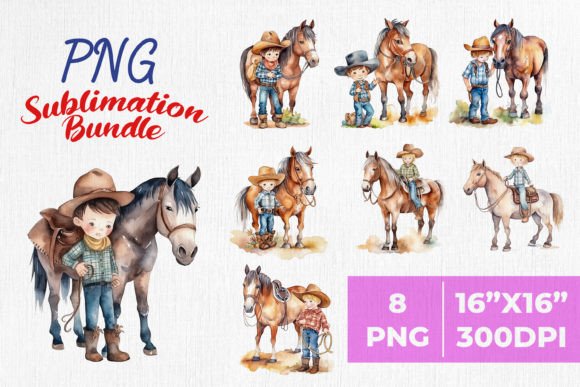
Little Cowboy and His Horse Watercolor
As a designer who spends half my life staring at stitch charts and the other half trying to convince clients that embroidery has more depth than a flat print, I approach every new design asset with a healthy dose of skepticism. We have all seen the "perfect" mockups that fall apart under the needle. That is why I decided to put Little Cowboy and His Horse Watercolor through its paces. This isn’t just about how it looks on a screen; it is about how it translates into a tangible, high-quality handmade product. After analyzing the visual personality of this piece and simulating its application in various real-world scenarios, here is my practical breakdown for fellow embroidery designers, Etsy sellers, and creative entrepreneurs.
The First Impression: Mood and Visual Personality
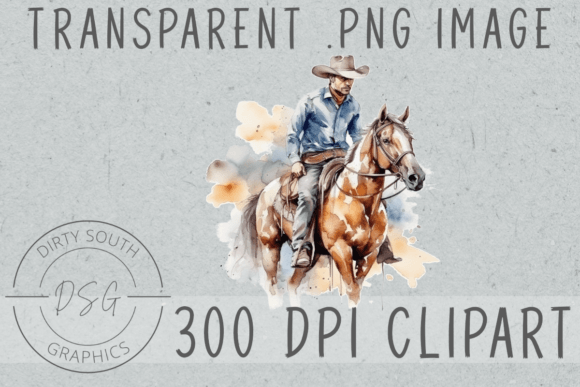
When you first open the file for Little Cowboy and His Horse Watercolor, the immediate takeaway is its softness. Unlike rigid vector art or high-contrast clipart, this watercolor aesthetic brings a gentle, nostalgic warmth that resonates deeply with current market trends. The theme is classic Americana but rendered with a delicate touch that feels less like a costume party and more like a cherished memory. For an illustrations category item, the artistic integrity holds up well. It does not scream for attention; instead, it invites the viewer in.
This mood is crucial because it dictates where this design belongs. It naturally fits into projects that require a sense of care and personalization. Whether you are creating a baby embroidery set or a boutique gift for a toddler’s birthday, the visual language of this design communicates tenderness. The layout balances the figure of the cowboy and the horse in a way that suggests movement without chaos. This balance is vital for machine embroidery design, as overly complex compositions can lead to thread breaks or hoop burns if not digitized correctly.
Real-World Application: From Screen to Stitch
Let’s talk about utility. I often imagine these designs on specific items before committing to production. Here is how Little Cowboy and His Horse Watercolor performs in three distinct commercial scenarios.
- Custom Apparel and Sweatshirts: Imagine this centered on a cream-colored organic cotton sweatshirt. The watercolor tones would pop beautifully against a neutral background. It works exceptionally well as a chest pocket detail or a full-back statement piece. The key here is the stitch density; because the original art has soft edges, the digitization needs to ensure that the satin stitch outlines do not become too harsh, preserving that painterly feel.
- Baby Items and Nursery Decor: This is perhaps the strongest use case. A onesie, a burp cloth, or a quilted blanket featuring this design taps into the gifting market. Parents love items that feel timeless. When used on a personalized gift, such as a monogrammed bib, the cowboy theme adds a layer of character without being overwhelming. It bridges the gap between rustic and modern nursery aesthetics.
- Tote Bags and Aprons: For the craft business owner, durability matters. While this design is lovely on canvas totes, be mindful of the fabric texture. If the tote bag is heavily woven, fine details might get lost. However, on a smooth apron front, it serves as a charming focal point for kitchen decor, appealing to those who enjoy a farmhouse-style home.
In each of these cases, the design elevates the perceived value of the finished product. It transforms a basic commodity into something that feels curated and special. Buyers on platforms like Etsy are willing to pay a premium for items that look professionally finished, and this design provides the visual foundation for that professionalism.
Where Caution Is Required
No design is universally perfect, and Little Cowboy and His Horse Watercolor has specific constraints that every embroidery project planner must consider. Ignoring these can lead to customer returns and damaged reputations.
First, avoid placing this on highly textured fabrics like heavy bouclé or thick chenille unless you are using a substantial stabilizer. The subtle gradients of the watercolor style rely on a relatively smooth surface to read correctly. Second, steer clear of small hoop sizes for intricate details. If you attempt to shrink this down to fit a tiny cap logo, the fine lines of the horse’s mane or the cowboy’s hatband may blur together, resulting in a muddy appearance. In such cases, simplifying the running stitch areas is necessary.
Additionally, be cautious with dark fabrics. Watercolor designs often rely on light backgrounds to maintain their airy quality. Embroidering this directly onto black denim without a substantial underlay or white backing can make the colors appear dull. If you must use dark fabric, consider adding a contrasting border or ensuring your thread colors are vibrant enough to stand out against the shadow.
Practical Designer Notes for Execution
To ensure success, I recommend following a strict pre-production checklist. Before you load your hooper, take these steps:
- Test on Scrap Fabric: Never run a full production batch without a test stitch-out. Check how the fill stitch areas lay flat and whether any gaps appear.
- Check Thread Contrast: View your design in black and white mode within your software. This helps you identify if the shading levels will translate well into thread tints. You want to ensure there is enough contrast between the cowboy’s shirt and his pants to distinguish the shapes.
- Inspect Small Details: Zoom in on the horse’s reins and the cowboy’s boots. Are these elements too thin? If so, you may need to adjust the digitization to add slight weight to these lines so they survive the stitching process.
- Confirm Licensing: As a commercial embroidery practitioner, you must verify the license terms. Does the purchase allow for unlimited physical sales? Can you use it in digital mockups? Clarity here protects your small shop product line from legal issues.
Final Verdict on Visual Appeal and Brand Consistency
Ultimately, Little Cowboy and His Horse Watercolor is a versatile asset that enhances brand consistency for businesses targeting families, children, or rustic-themed markets. It conveys trust and warmth, emotions that drive engagement in the handmade sector. When used correctly, it turns a simple tote bag design or a holiday embroidery piece into a keepsake.
It is important to remember that while the source file is a transparent PNG ideal for sublimation previews, the final embroidery result depends entirely on your technical execution. The design provides the soul; your skill provides the structure. By respecting its limitations regarding fabric choice and hoop size, and by leveraging its strengths in soft, emotional storytelling, you can create design assets that resonate deeply with customers. For the discerning creative entrepreneur, this design is a strong candidate for inclusion in your catalog, offering a blend of charm and commercial viability that stands out in a crowded marketplace.