Reviewing Horse Tamer Cowboy Vintage Style for Embroidery
As a designer who spends more time looking at stitch density charts than actual horses, I approach every new graphic with a healthy dose of skepticism. The digital asset market is flooded with "vintage" graphics that look great on a screen but fall apart when translated into thread. That is exactly why I decided to put Horse Tamer Cowboy Vintage Style through its paces before recommending it to my network of small business owners and crafters.
This isn't just another clipart file. It is a collection of Illustrations and Graphics that promise versatility, but the real test lies in how it performs on fabric. After analyzing the vector files and running some mental simulations on various garments, here is my honest breakdown of whether this design deserves a spot in your embroidery machine or your digital shop.
First Impressions: Mood and Visual Personality
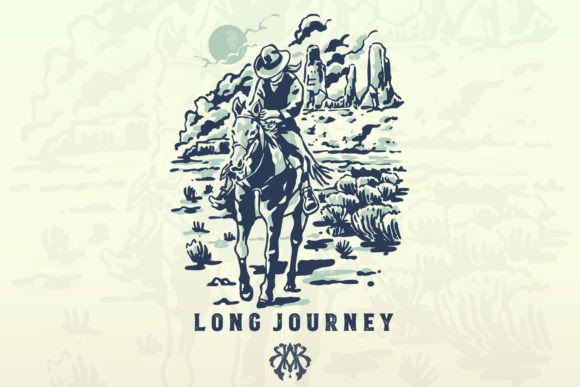
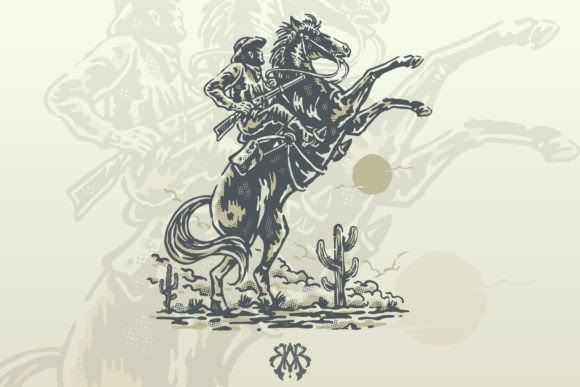
The moment you open the zip archive, which includes PNG, AI, EPS, and SVG formats at a crisp 4000x4000px resolution, the artistic intent becomes clear. This design does not try to be hyper-realistic; instead, it leans into a stylized, retro aesthetic that screams authenticity. The mood is rugged yet refined, capturing the essence of the American West without feeling cliché.
From a design perspective, the composition is balanced. The lines are clean enough to hold their shape during digitization, yet detailed enough to convey character. It feels like something you would see on a weathered leather saddlebag or a classic denim jacket. For creators looking to build a brand around heritage, craftsmanship, or rustic aesthetics, this visual personality aligns perfectly. It creates an immediate emotional connection, suggesting stories of open ranges and skilled horsemanship.
Real-World Application: Where Does It Fit?
I often ask myself, "Where would I actually wear this?" When evaluating a machine embroidery design, the answer dictates its commercial viability. Here is where Horse Tamer Cowboy Vintage Style shines:
- Custom Apparel and Sweatshirt Embroidery: This is the natural home for this graphic. Placing it on the back of a heavyweight cotton sweatshirt or the chest of a flannel shirt instantly elevates the garment from basic to boutique. The vintage style complements the texture of these fabrics beautifully.
- Tote Bag Design: Canvas totes are a staple for craft fairs and Etsy sellers. A centered or pocket-placed version of this design adds a touch of artisanal charm. It appeals to shoppers who value handmade products and unique accessories.
- Embroidered Patch and Caps: The strong outlines make this ideal for creating embroidered patches. Whether applied to a trucker hat, a baseball cap, or a backpack, the design holds up well against the curvature of headwear.
- Home Decor and Kitchen Towels: For those expanding into lifestyle goods, this theme works surprisingly well on tea towels or pillow covers. It brings a cozy, farmhouse vibe to modern interiors.
Imagine preparing a personalized gift for a rancher or a horse enthusiast. The recipient sees the intricate details of the tamer and the horse, recognizing the skill involved in both the art and the potential stitching. It transforms a simple item into a meaningful keepsake.
Technical Performance and Stitch Clarity
Not all graphics translate equally well into thread. The success of an embroidery project depends heavily on how the original artwork handles negative space and fine detail. Because Horse Tamer Cowboy Vintage Style comes as editable vectors (AI/EPS/SVG), we have control over how elements are converted into stitches.
The design’s line work suggests it will handle satin stitch borders elegantly, providing sharp definition to the outer edges. The internal details likely lend themselves well to fill stitch techniques, allowing for rich texture coverage. However, designers must be mindful of stitch density. If the original illustration contains extremely thin, isolated lines, they may require stabilization or simplification to prevent puckering or breakage.
When testing this concept on different materials, contrast is key. On light fabrics, darker thread colors will pop, maintaining the integrity of the vintage ink-wash feel. On dark fabrics, lighter threads might be necessary, but care must be taken to ensure the design doesn’t get lost in the background. Always check your thread colors against your chosen fabric before committing to a full run.
Where to Use With Caution
While versatile, no single design fits every scenario. There are specific contexts where you should pause and evaluate:
- Small Hoop Sizes: If the design is scaled down too much, fine details may merge together, resulting in a muddy appearance. Ensure the hoop size allows for adequate separation between elements.
- Textured or Stretchy Fabrics: Materials like jersey knit or heavy tweed can distort the precision of the design. Use a proper stabilizer to support the fabric and maintain registration.
- Dense Stitch Areas: Avoid placing large blocks of dense fill on areas prone to stretching, such as the shoulders of a t-shirt, unless reinforced properly.
- Frequent Washing: For items like aprons or kitchen towels that undergo regular laundering, ensure the digitization uses durable stitch types to prevent fraying or fading of the visual impact.
Impact on Brand and Customer Trust
In the world of Etsy sellers and small shop products, presentation is everything. Using a high-quality, professionally structured design like Horse Tamer Cowboy Vintage Style signals professionalism. It tells the buyer that you care about the details.
A well-executed finished product builds trust. When customers receive a tote bag or sweatshirt where the embroidery is crisp, aligned, and visually striking, they are more likely to leave positive reviews and return for future purchases. Conversely, a poorly executed design can undermine even the best marketing efforts. By starting with clean vector assets, you reduce the risk of technical errors during production.
Furthermore, this design enhances the perceived value of your merchandise. It allows you to position your items as premium, artisanal goods rather than mass-produced commodities. For commercial embroidery projects, this distinction can justify higher price points and attract a more discerning clientele.
Practical Designer Notes for Success
Before you load this design into your machine or list it as a digital embroidery file for others to use, follow these essential steps:
- Test on Scrap Fabric: Never assume a design will work perfectly on the final material. Run a sample on the exact fabric type you plan to sell.
- Check Contrast: View your design in black and white mockups to ensure the shapes remain distinct regardless of color choices.
- Inspect Small Details: Zoom in on the vector file. Are there any tiny, unconnected paths that might cause issues during digitization? Simplify if necessary.
- Confirm Licensing: Verify the terms of use. Can you sell physical items made with this design? Can you distribute the digital file? Clear licensing protects your craft business from legal issues.
- Use Proper Stabilizer: Match your stabilizer to the fabric weight and stretch to prevent distortion.
In conclusion, Horse Tamer Cowboy Vintage Style is a robust, aesthetically pleasing asset that bridges the gap between digital art and tactile craft. It offers the flexibility needed for diverse applications, from personal gifts to commercial merchandise. With careful attention to stitch quality and fabric choice, it has the potential to become a standout piece in your portfolio. For designers seeking to add a touch of rugged elegance to their offerings, this design is certainly worth considering.