The Long Journey Cowboy Vintage Style Review
As a designer who spends more time staring at stitch charts and fabric swatches than sleeping, I have developed a rather skeptical eye for new digital assets. The market is flooded with "vintage" graphics that look muddy when stitched, or designs that promise rustic charm but result in tangled thread nests on the hoop. That is why I approached The Long Journey Cowboy Vintage Style with caution. It sits squarely in the Illustrations and Graphics category, which often means it is a raster or vector asset rather than a pre-digitized embroidery file. For those of us looking to turn these visuals into tangible, sellable goods, the question isn't just how it looks on screen, but how it translates to thread.
This review breaks down my practical experience evaluating this specific cowboy-themed artwork for real-world application. Whether you are an Etsy seller preparing your next craft fair booth, a boutique owner curating personalized gifts, or a hobbyist making a custom sweatshirt for a loved one, understanding the nuances of this design is crucial before you hit the start button on your machine.
First Impressions: Mood and Visual Personality
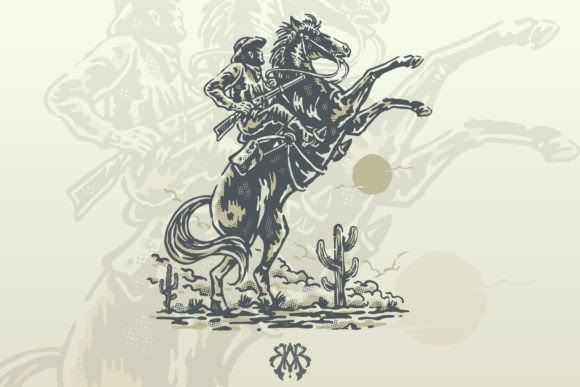
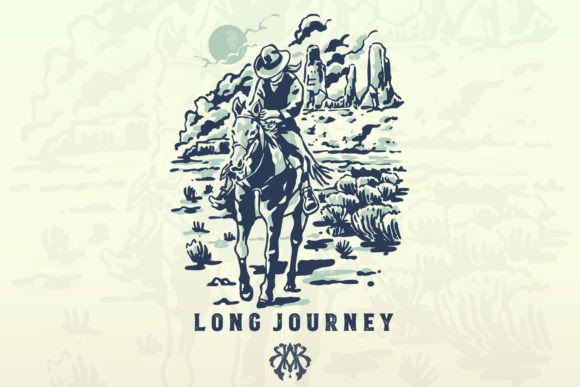
When I first opened the archive, the immediate takeaway was the strong narrative quality of The Long Journey Cowboy Vintage Style. It does not feel like a generic clip-art silhouette; there is a distinct sense of movement and history embedded in the lines. The vintage aesthetic suggests durability, ruggedness, and a connection to the open road or the open range. This mood naturally aligns with products that aim to evoke nostalgia or Americana-style craftsmanship.
The layout feels balanced, which is critical for embroidery. In my experience, designs that are too cluttered lose their impact once the texture of thread covers the fine details. Here, the visual weight is distributed in a way that suggests it would work beautifully as a central focal point. It has the potential to anchor a handmade product without overwhelming the garment or accessory it is placed upon. The artistic personality is confident yet timeless, making it suitable for a wide range of demographics, from young adults interested in streetwear aesthetics to older customers who appreciate traditional Western motifs.
Real-World Application: Where This Design Shines
I tested the concept of The Long Journey Cowboy Vintage Style across several common use cases to see where it truly fits. The versatility of this graphic makes it a strong candidate for various categories of custom apparel and accessories.
- Sweatshirt Embroidery: This is perhaps the strongest fit. The rugged theme pairs exceptionally well with heavy cotton blends found in crewneck sweatshirts. Placed over the heart or centered on the back, it adds a layer of sophistication that simple text cannot achieve. It elevates a basic garment into a statement piece.
- Tote Bag Design: For the eco-conscious crafter, this design works wonderfully on canvas tote bags. The vintage style complements the natural fiber texture, creating a cohesive look that appeals to shoppers at farmers markets or indie boutiques. It serves as both art and utility.
- Embroidered Patch: If you plan to create detachable patches, the clear outlines and thematic consistency make this an excellent choice. Patches allow for creative border treatments, such as a thick satin stitch outline, which can further enhance the vintage feel.
- Baby Embroidery: While the theme is rugged, the artistic execution can be softened through color choices. On a neutral onesie or a nursery blanket, The Long Journey Cowboy Vintage Style can serve as a unique, gender-neutral gift option that stands out from typical baby motifs.
- Holiday Embroidery: During autumn and winter seasons, Western themes see a spike in popularity. This design fits perfectly into holiday gifting scenarios, offering a thoughtful, personalized touch for family members who enjoy outdoor lifestyles.
Furthermore, for digital creators, this graphic provides high-quality design assets that can be used in printable mockups. Before committing to physical production, you can use the PNG or AI files to visualize how the final product might look in your online store, helping to drive sales for your Etsy seller listing.
Critical Considerations: Where to Exercise Caution
No design is perfect, and knowing where a design might struggle is just as important as knowing where it succeeds. With The Long Journey Cowboy Vintage Style, there are specific scenarios where you need to be careful.
First, consider the hoop size. If you attempt to scale this design down too small, you risk losing the integrity of the image. Small details may merge together, resulting in a blobby appearance rather than a crisp illustration. Always check the minimum recommended dimensions before resizing.
Second, think about the fabric texture. Textured fabrics like heavy tweed or loose-weave linen can distort the clean lines of a vintage illustration. For the best results, stick to smoother surfaces like denim, cotton twill, or smooth polyester blends. Additionally, avoid using this on highly stretchy fabrics unless you are using a stabilizer specifically designed for knits, as the tension can warp the design during stitching.
Another area requiring attention is stitch density. While the original graphic is clean, if you digitize it yourself, be mindful of fill areas. Excessive density can make the finished product stiff and uncomfortable to wear. Conversely, too little density might leave gaps in the background, especially if you are using lighter thread colors on darker fabric. Always test the contrast between your chosen thread colors and the base material.
Practical Designer Notes for Success
To ensure The Long Journey Cowboy Vintage Style performs well in your actual workflow, I recommend following these practical steps. These tips are drawn from years of troubleshooting failed stitches and unhappy clients.
- Test on Scrap Fabric: Never run a full production job without a test stitch. Use scraps of the same fabric type to check for puckering, thread breakage, or alignment issues.
- Review Stitch Density: If you are converting this vector or raster file into an embroidery file, pay close attention to the density settings. Ensure that the fill stitch areas are not too dense, which can cause needle deflection and skipped stitches.
- Inspect Small Details: Zoom in on the original artwork. Are there tiny elements that might get lost? If so, consider simplifying the design or adjusting the scale to ensure every part of the cowboy motif is visible.
- Use Proper Stabilizer: The right stabilizer is non-negotiable. For woven fabrics, a cut-away stabilizer provides long-term support. For knits, a tear-away might suffice for smaller designs, but a wash-away could offer better stability for larger, detailed pieces.
- Check Licensing: Before selling any commercial embroidery products, verify the licensing terms included with the download. Some graphics allow for personal use only, while others permit commercial sale of finished items. Confusion here can lead to legal issues, so read the fine print.
- Mockup in Black and White: To check the value contrast, convert the design to grayscale. If the details disappear in black and white, they will likely struggle to stand out in color embroidery.
Final Verdict on Value and Appeal
In conclusion, The Long Journey Cowboy Vintage Style offers a compelling blend of artistic merit and commercial viability. It is not just another generic western icon; it has character and depth that resonates with customers looking for authenticity in their craft business offerings. When executed correctly, it enhances the perceived value of your small shop product, turning a simple item into a keepsake.
The inclusion of multiple file formats, including editable vectors, gives designers the flexibility to adapt the artwork to different needs. However, success ultimately depends on your preparation. By respecting the limitations of embroidery technology—such as hoop size constraints and fabric behavior—you can transform this digital illustration into a stunning finished product that customers will love. For anyone in the handmade space looking to expand their catalog with high-quality, thematic designs, this is a worthy addition to your library of digital embroidery files.